Three main points to consider in using Farm Dairy Effluent (FDE) effectively:
- The effluent block must be suitable for the level of nutrients being applied
- Having the FDE applied at the right time and rate so that the soil-plant can take up the nutrients
- Having sufficient storage so that FDE is not applied to water-logged soils
What are the nutrients in Farm Dairy Effluent?
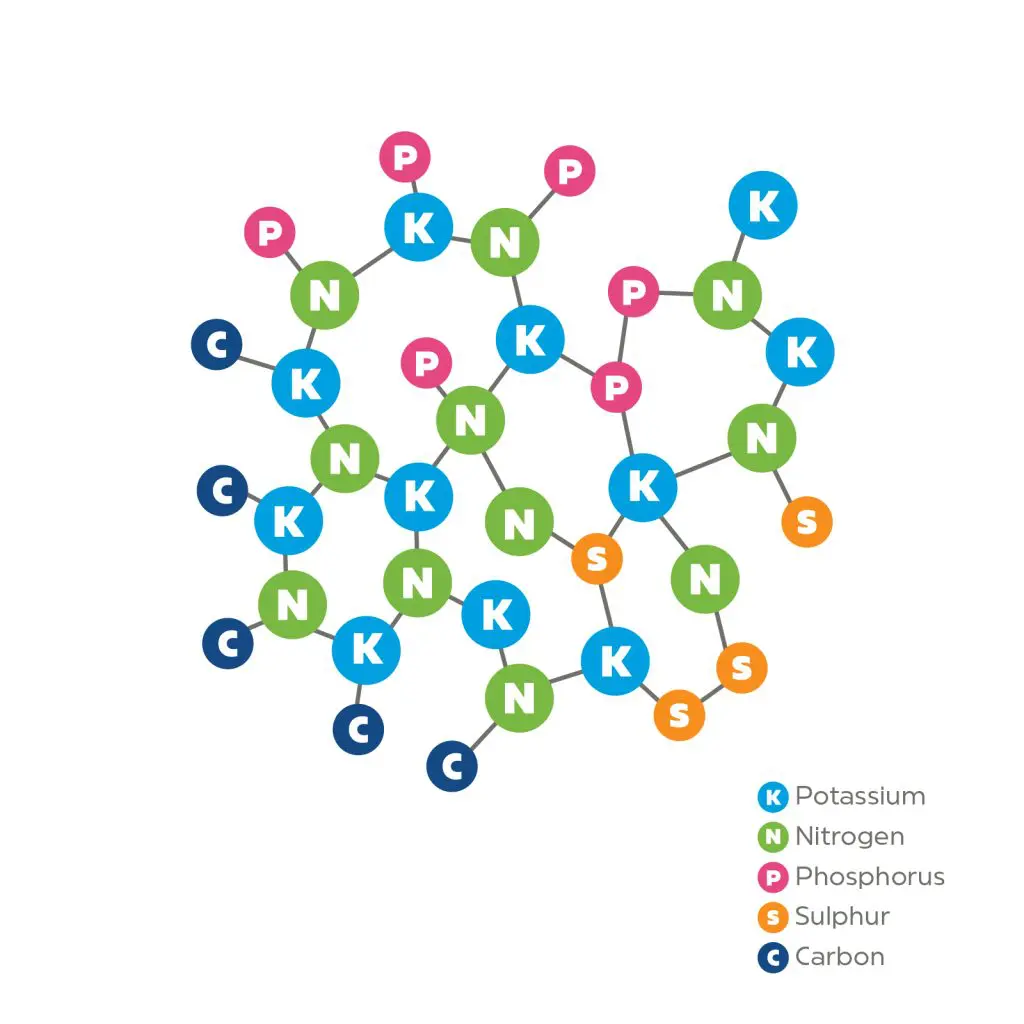
The main nutrients within FDE are nitrogen (N), phosphorous (P), potassium (K) and sulphur (S). FDE is an alkaline so it will increase the soil pH overtime. Also FDE contains organic matter – carbon.
FDE varies from farm to farm so it’s worthwhile taking a sample of the FDE and getting it tested with a laboratory such as Hills Laboratories. Stirring the FDE to get an even mixture of FDE to sample.
Farm Dairy Effluent Nutrient ratios
Within FDE there is large amounts of N and K and relatively small amounts of P and S. These ratios are similar to what most crops require but different to what clover-based pasture requires. Below are some of the problems this creates.
Important to get the size right
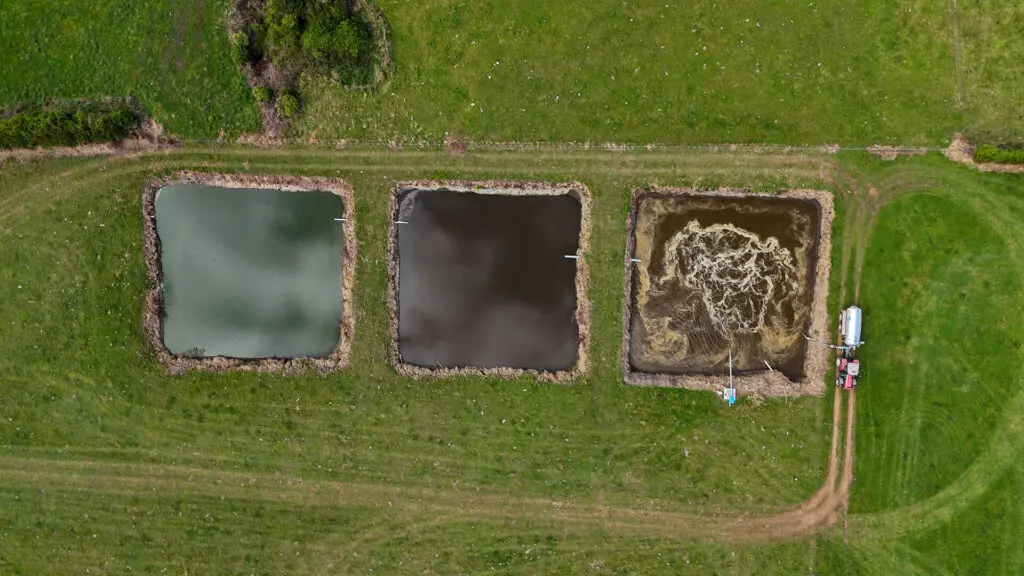
Both the FDE storage size and the effluent-block are important to size correctly for your farm. There are two tools that can help you with this:
- Dairy Effluent Storage Calculator (DESC): This calculator determines the storage size required by taking into account herd size, rainfall, soil type, catchment area, storm water diversion and the type of system being used etc.
- Overseer: This program can be used to calculate for most farm situations, the size of the effluent block given the herd size and other factors to ensure that the N loading is kept below 150 kg N/ha/yr.
Common problems
Too much N
Some regional councils require that farm dairy effluent should not be applied at rates greater than 150 kg N/ha/yr. If more than this is applied then the soil-plant system cannot make full use of the N and it is susceptible to leaching. Therefore the area of the effluent-block must be large enough to comply with this regulation.
Too much K
The ratios of nutrients in farm dairy effluent are such that similar amounts of N and K are applied. Most effluent systems are set up to apply about 150 kg N/ha/yr, which means that about 150 kg K/ha is applied annually. This is well above the maintenance K requirements and hence the soil K levels will increase over time. This may cause problems increasing the risk of milk fever or making the pasture less palatable.
Too little P and S
The only way to reduce over loading the soil with K is to increase the area of the effluent block so that a maintenance K input is applied (80-100 kg K/ha/yr). However this will mean that the amount of P and S applied are less than maintenance. In time the effluent block will become P and S deficient if fertiliser P and S are not applied.
Too much ‘lime’
Farm dairy effluent is alkaline like lime. Continuing applications of FDE will result in the soil pH increasing. If the soil pH gets above 6.5 then nutrient deficiencies, such as zinc and manganese may occur.
Potential solutions:
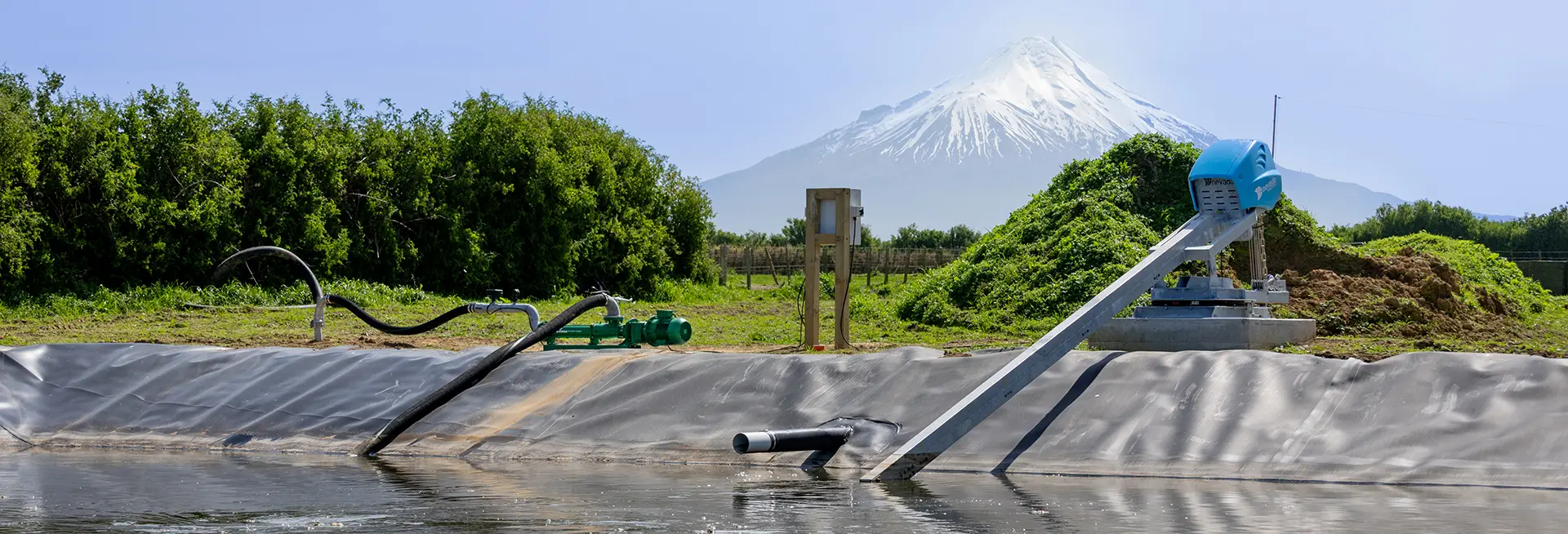
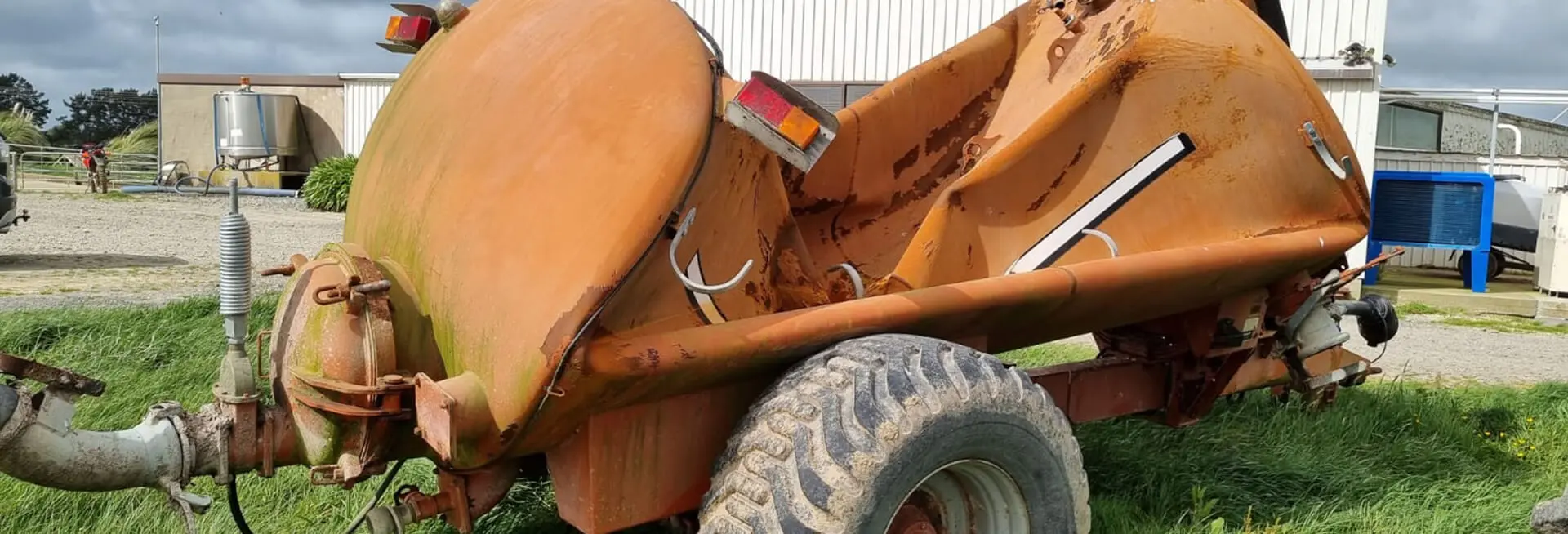
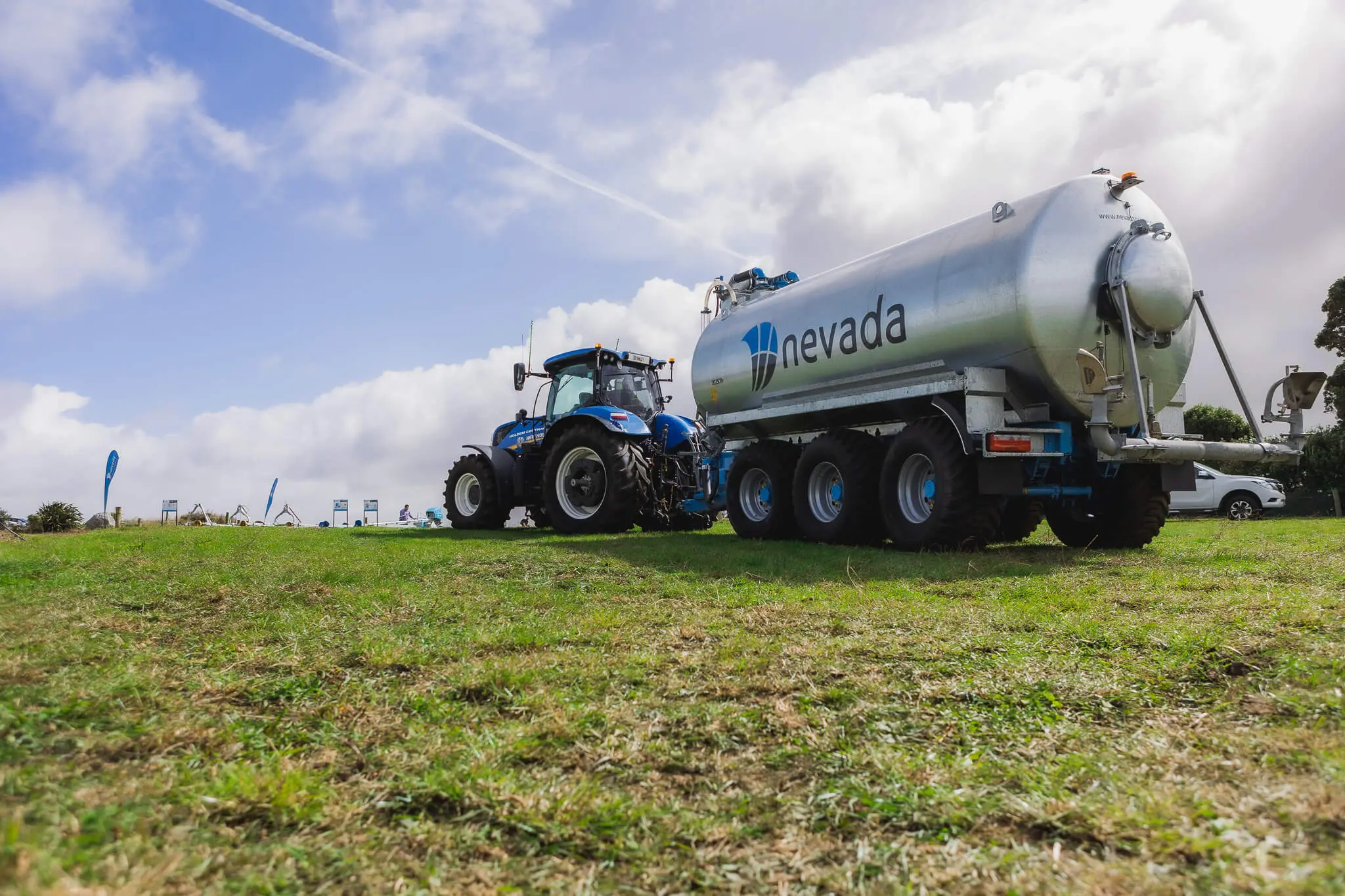
- Monitor the soil fertility of the effluent block separately from the rest of the farm and adjust the effluent application area or the fertiliser program accordingly. It is very important that FDE is spread over a large enough area to eliminate overloading of nutrients. Slurry tankers are an excellent option for this, as they provide great versatility.
- Use the effluent block as a dedicated cropping area. The ratios of nutrients in farm dairy effluent are very similar to those required by most crops so FDE is the ideal ‘fertiliser’. In addition crops have a high demand for N and thus reduce the potential for N leaching.
There is a further benefit: cropping depletes soil carbon but typical inputs of farm dairy effluent add about 2-3 tonnes of carbon per hectare.
Main source of information gathered from DairyNZ.
We’re here to help
When you’re looking to invest in the install or upgrade of dairy effluent systems and equipment, you want to get it right the first time. As accredited effluent system designers with over 30 years experience, we’re here to support you in getting the system and effluent equipment you need for an efficient, effective, council compliant effluent management system that’ll enhance the value of your farm.