Blogs

Don’t just take our word for it – see stories from real dairy farmers about simple changes they’ve made to their effluent management systems which have big improvements to their operations!

Dairy effluent could be helping you save more on fertiliser. Discover how farmers are making better use of their effluent nutrients to reduce purchased fertiliser costs.
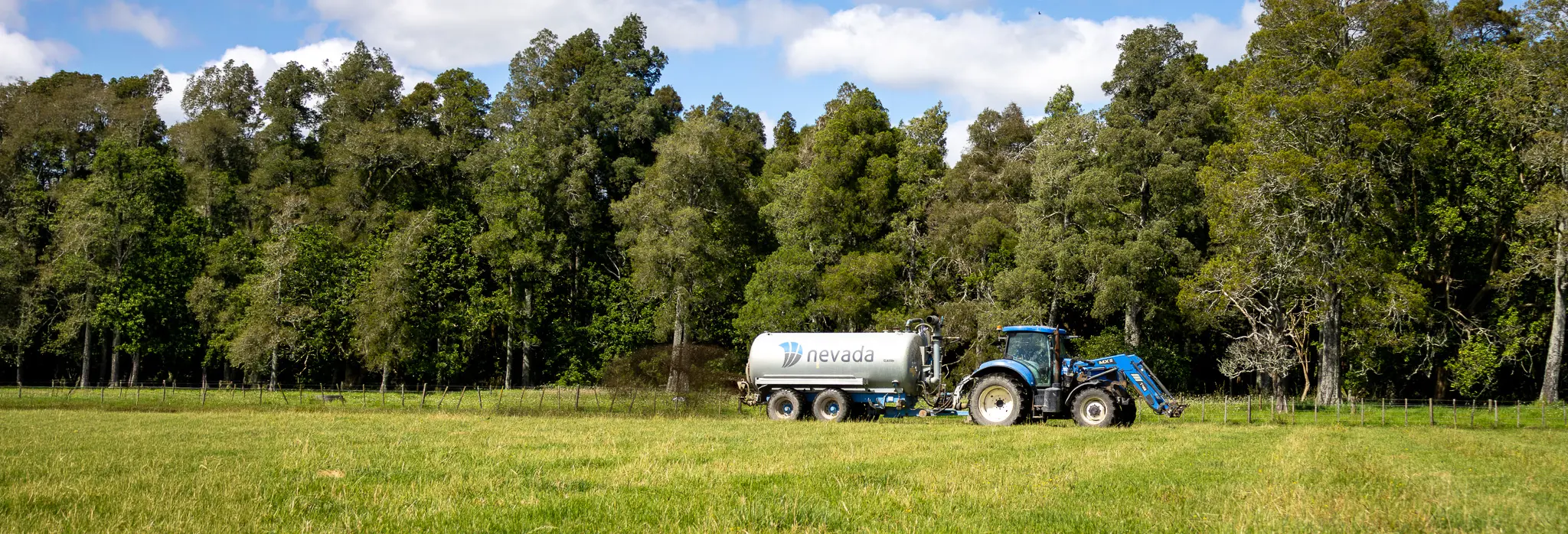
See the full dairy effluent process at Todd Dairies, from stirring the KlipTank and loading the 16,500L Slurry Tanker to spreading effluent across the farm.
Comparing a progressive cavity pump vs a centrifugal system helps farmers choose the most efficient setup for effluent management. This guide explains the key differences between these pumps, outlining performance, maintenance, and safety advantages for modern dairy operations.
Choosing between a single-axle slurry tank, a tandem axle setup, or a triple axle setup depends on your farm’s terrain and workload. This guide explains how different axle configurations impact stability, safety, and performance, helping you choose the right slurry tanker for your specific needs.
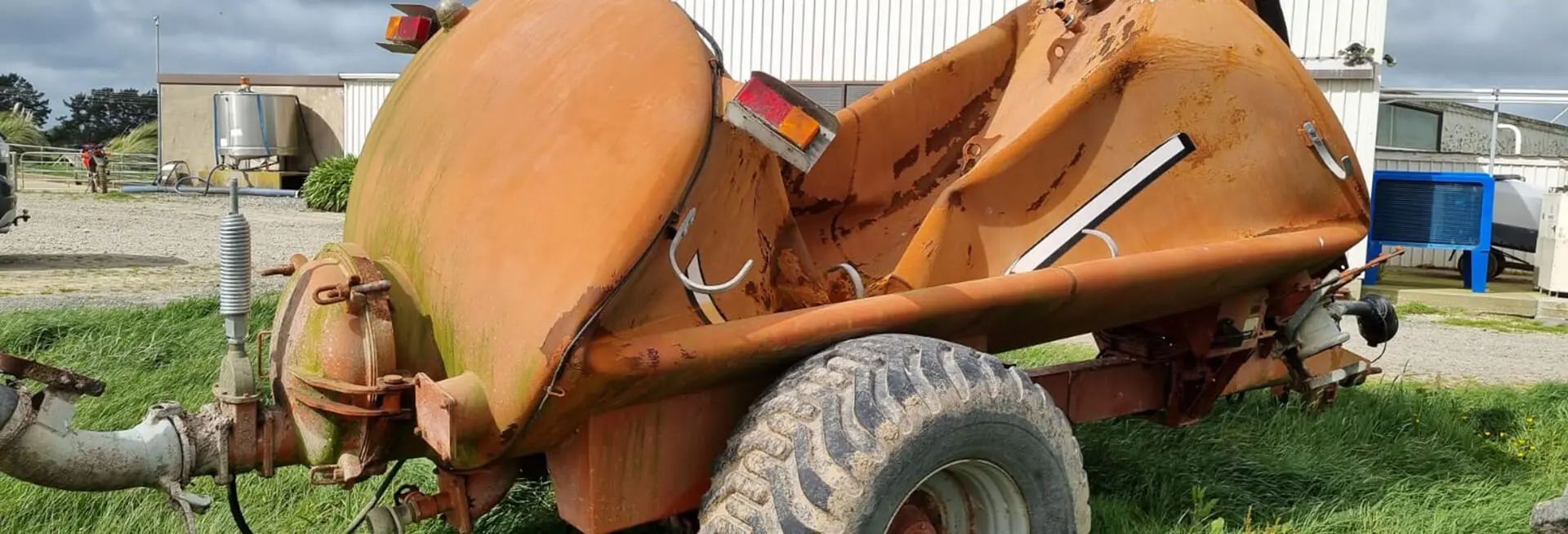
A tank implosion can cause serious damage and downtime. This blog shares practical checks and explains why anti-implosion rings are essential to prevent an imploded tank, helping farmers protect their equipment and avoid costly failure.
We first visited Ben and Mackenzie in 2024, when their Nevada tanker and stirrer were new to the farm. On our 2026 return visit, they share what’s changed after more than 1,000 loads, from their spreading workload to the pasture response that gave them confidence to reduce nitrogen fertiliser.
More fertiliser doesn’t always mean more grass. Find out how soil conditions and timing affect pasture response, how to account for dairy effluent nutrients, and what gave one Southland farming family the confidence to cut two rounds of synthetic nitrogen.
See real NPK results from a dairy farm in Southland, New Zealand, and how nutrient testing helped put numbers around what was being returned to the paddock.
Looking for a smart, simple way to manage effluent? Slurry tankers are cost effective, council compliant, and give you full control over spreading. Here are five reasons why savvy dairy farmers are making the switch.
Deciding between a slurry tanker and umbilical slurry equipment is a key step in effective effluent management. Both offer unique benefits, including flexibility and low labour costs, as well as high-volume spreading speed. This guide explores application options, costs, soil impact, and real farmer experiences to help you choose the system that best fits your farm
Curious about what is an effluent pump used for on Aussie dairy farms? Learn how effluent pumps work to best spread effluent boosting pasture growth, help cut fertiliser costs, and keep your farm compliant.
Modern slurry tankers are unrecognisable from yesteryear. High-tech, fast and efficient, they allow you to spread effluent to 90% of your farm.

Info Hub

Access valuable resources, expert advice, and tools to optimise your dairy farm’s effluent management.

Stay ahead with the latest in dairy effluent management. Our expert blogs cover best practices, product insights, sustainability tips, and industry trends to help you optimise your farm operations.

Get the best deals on effluent equipment. Check out our latest promotions, seasonal offers, and exclusive discounts to maximise value and Feed your farm.

Explore our full range of dairy effluent solutions in one place. Download our catalogues to browse top-quality equipment, innovative solutions, and expert recommendations tailored to your farm’s needs.

Subscribe to our Newsletter

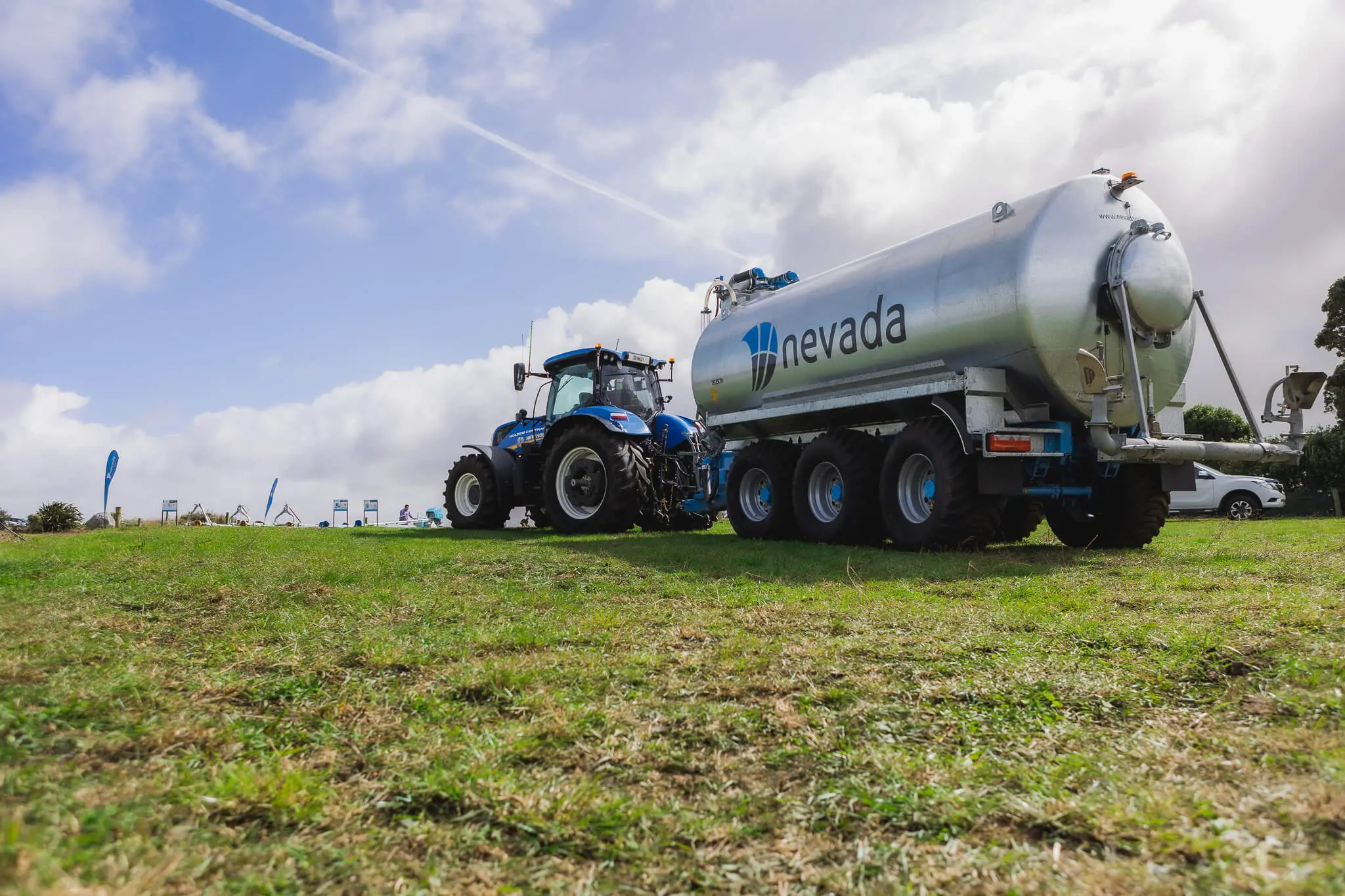
Nevada 20,150L Triple Axle Slurry Tanker and Big Blue Tractor