One of the challenges with nitrate poisoning is that it typically happens very quickly. But with the right management in place it can usually be successfully managed and by understanding what’s involved, you will be able mitigate the risk of your cows getting nitrate poisoning.
How does nitrate poisoning occur?
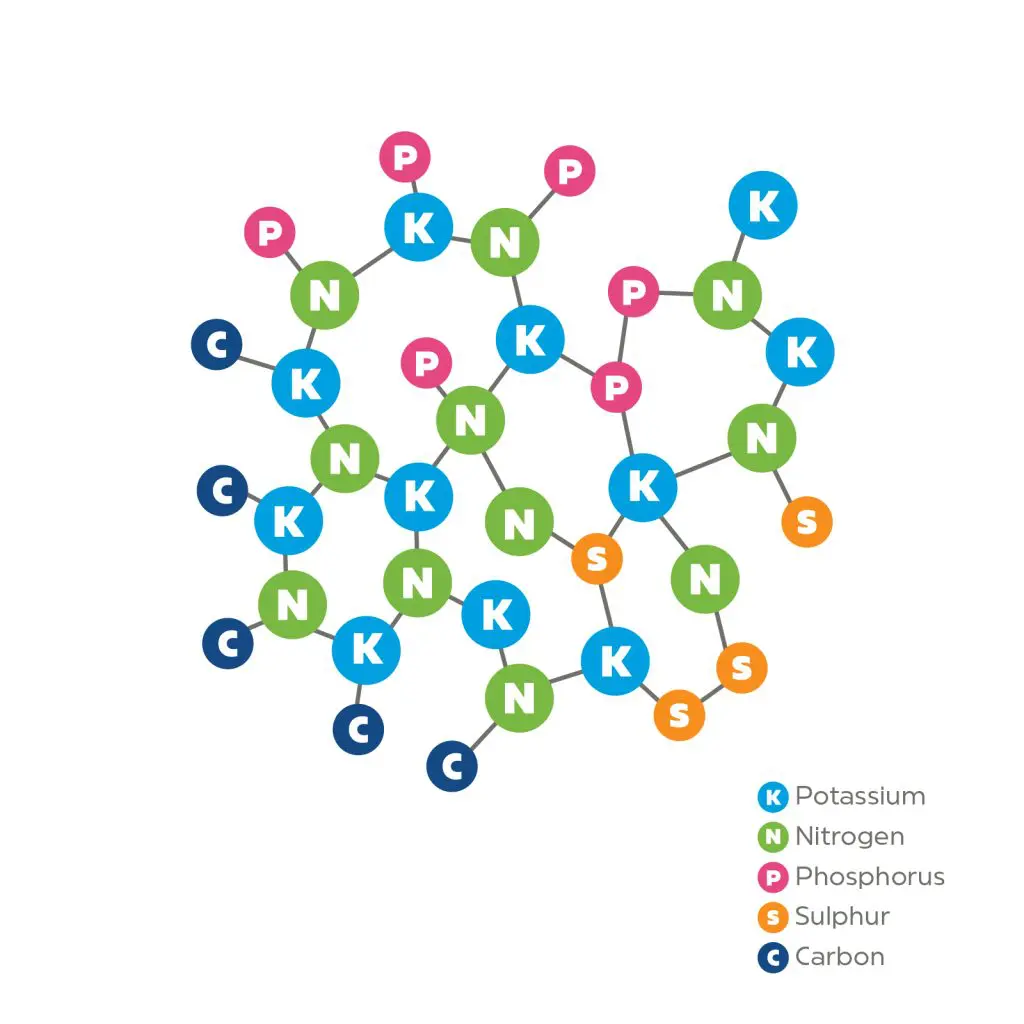
Nitrate poisoning occurs when nitrogen from the soil is greater than the plants ability to utilize that N through the roots, so the surplus N gets stored in the leaves. Just to complicate things, nitrate levels can also fluctuate over time, and you can’t tell just by looking at a crop if there is a problem.
First step
The first step is careful monitoring. If you think nitrate poisoning may be an issue you can buy kits to test the level of nitrate in the herbage yourself, or you can send grass samples away to get analysed. Either way you’ll get a reasonably quick answer as to the status of your crop prior to grazing and potential of any problem. If in doubt seek advice.
Second step
The second step is to be prudent in your grazing policies. The most important strategy is not to put hungry stock onto a crop with elevated nitrate levels, (often new pasture can high nitrate levels) without giving them something else to eat first, like hay or silage. That way they won’t eat so much of the crop, and they will also eat it more slowly. It has also been identified that cool, dull, overcast days can increase nitrate levels in pasture.
What about in winter
If it’s a winter crop, feed only low levels initially and build intakes up over 14 days. Animals can adapt to higher nitrate levels, and this allows them to do it. Other possible strategies are shifting stock twice a day to reduce their rate of intake, and grazing older stock ahead of younger stock as they are less susceptible to poisoning.
Avoid heavy applications of Nitrogen Fertiliser (20 – 30kg N/Ha).
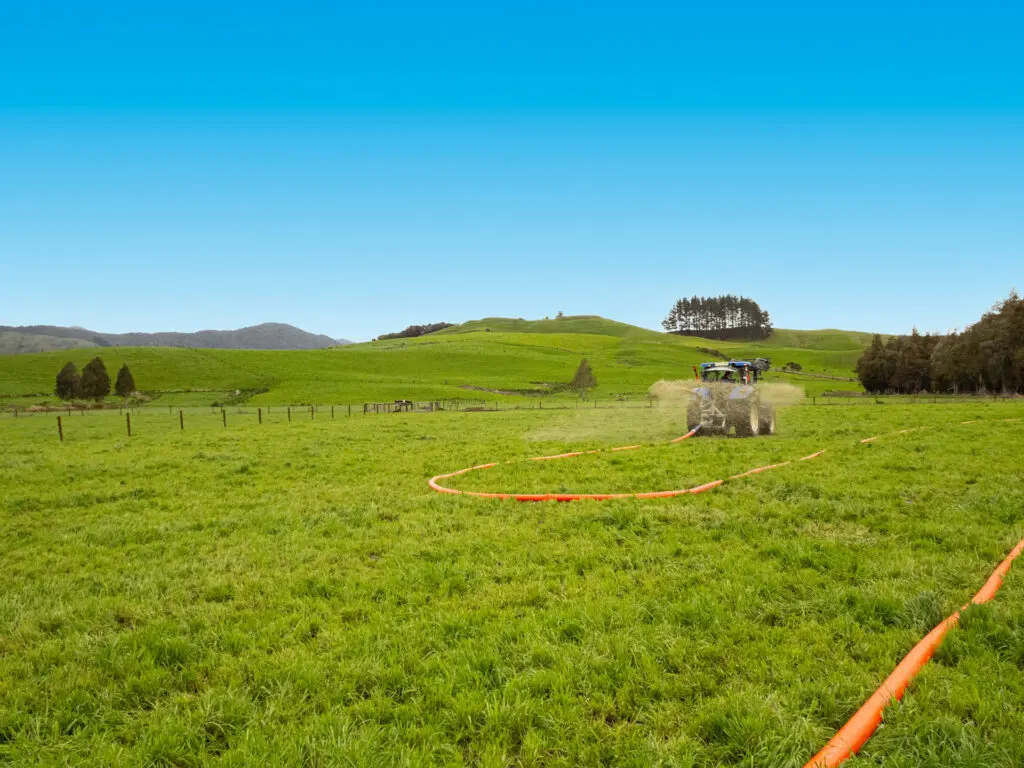
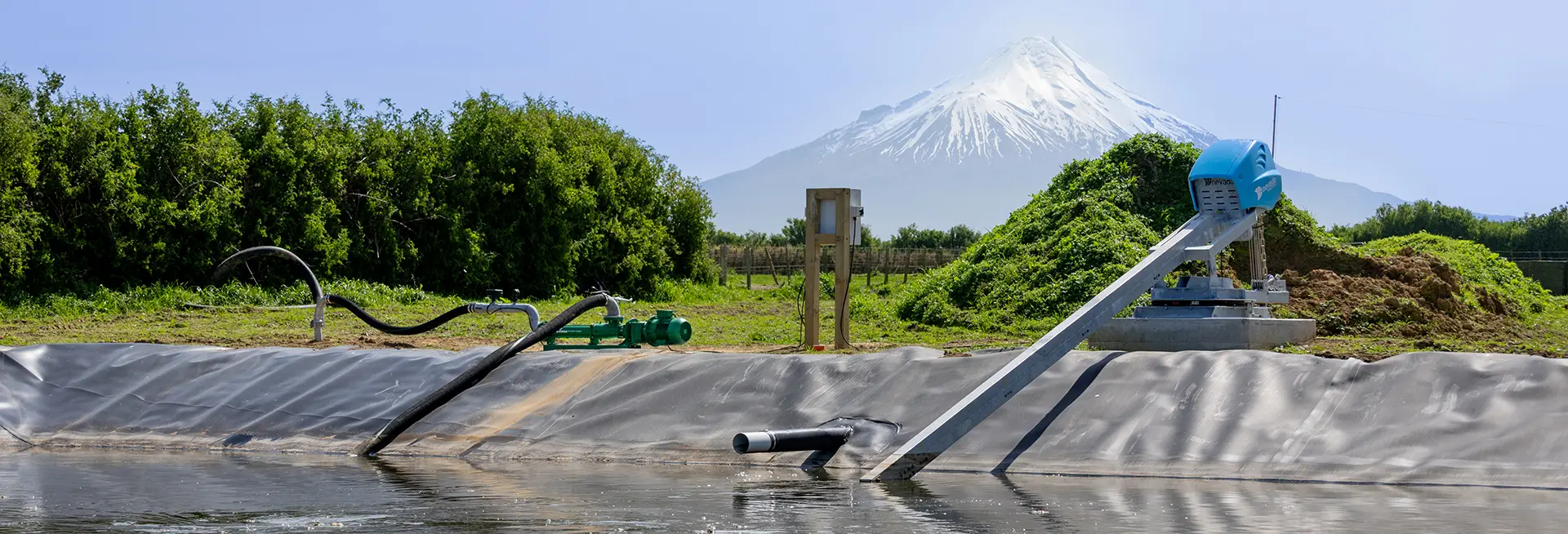
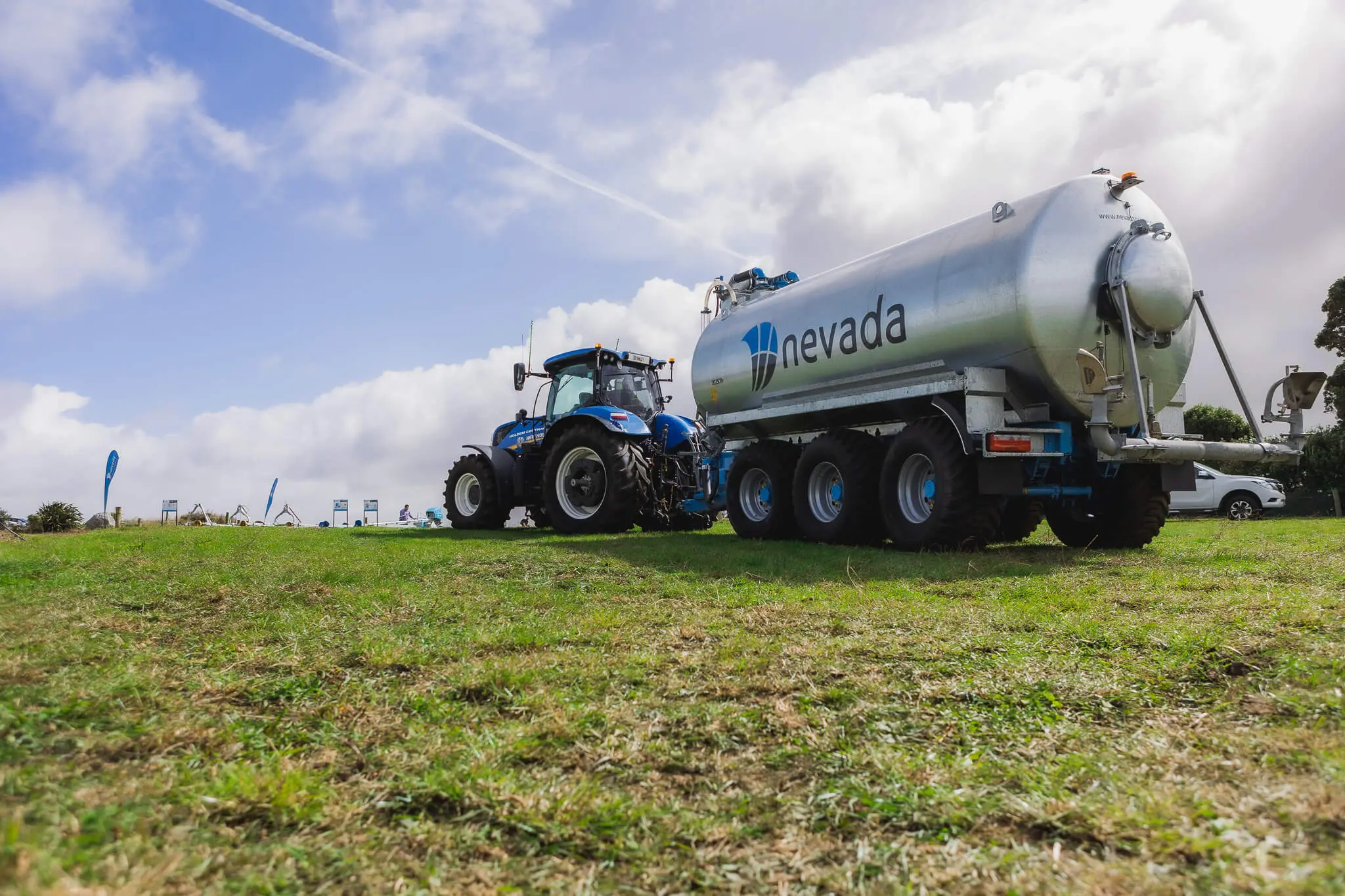
Nevada recommend regular light applications of effluent through the whole season.
Check for signs
Finally, check regularly for signs of poisoning as cattle are highly susceptible to nitrate poisoning. Some of these signs can be salivation, abdominal pain, dribbling urine, muscle tremor, weakness, staggering and panting. For more advice, contact your local vet for more information.
Want to know more, speak to one of our experts who can recommend the best application method for your farm to avoid nitrate poisoning.