As a farmer, you constantly strive for the most cost-effective and efficient systems possible. The better your farm performs, the more money in your pocket.
When you’re thinking about installing or upgrading your farm dairy effluent system in order to maximise response, there are two key rules you should consider. We’re going to look at each of those rules below.
Rule 1: Optimum dairy effluent application depth
This is the depth your dairy effluent needs to be applied in order to ensure the nutrients can be absorbed by the plants. Optimum application depth is determined by the soil infiltration rate, water holding capacity, and soil moisture deficit. As a farmer, you should know these characteristics about your soil. If you’re unsure, consult the Nevada team, and we can help you figure out what you need to know.
Your application rate can’t exceed the infiltration rate, or you’ll get ponding and runoff, which will dramatically lessen the response from the dairy effluent, as well as land you with potential compliance issues.
Application depth should also not exceed the moisture deficit, which is the water-holding capacity minus the evapotranspiration.
Rule 2: Dairy effluent application area
In order to manage the nutrient balance of your soil, you need to carefully calculate your application area. You need to ensure you’re not delivering too many nutrients to the soil. As we discussed in our previous article, too many nutrients can end up killing your grass or making your animals sick.
You need to get a balance of all the nutrients, because they can occur at different rates depending on a number of factors. Although the Regional Councils allow 150Kg N/Ha, this is likely to create excessive potassium application, so spreading over a larger area is best practice.
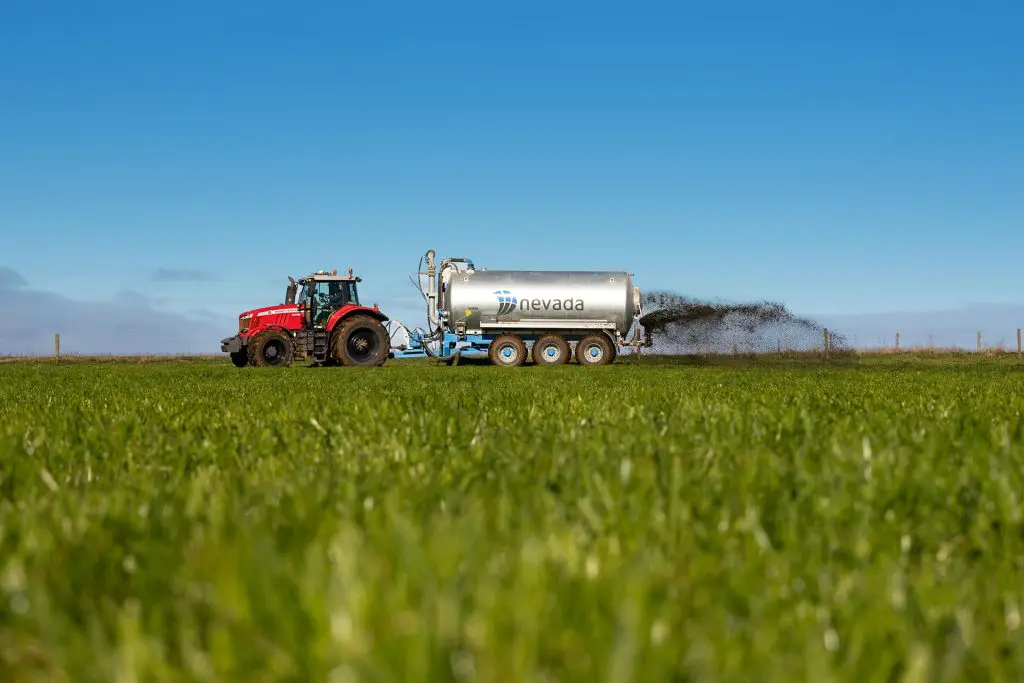
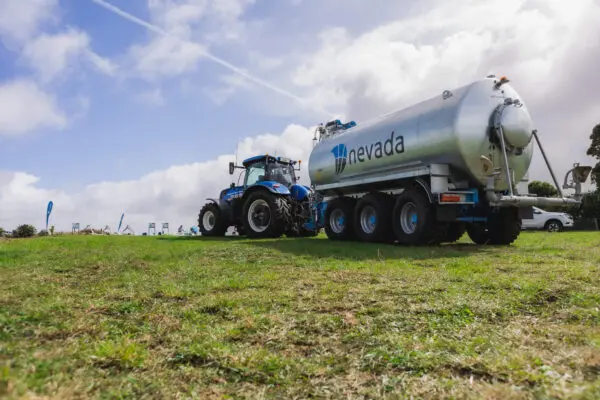
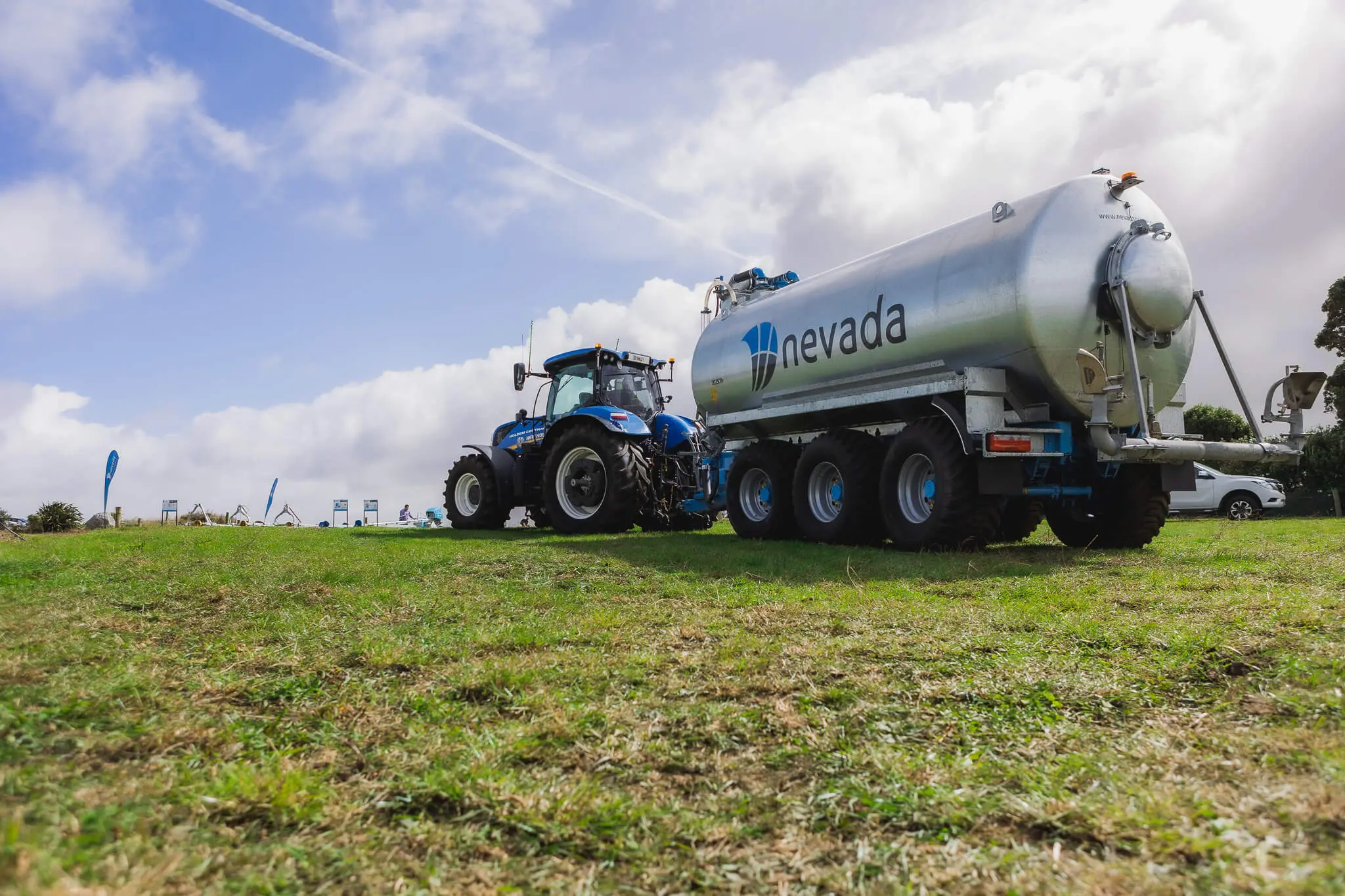
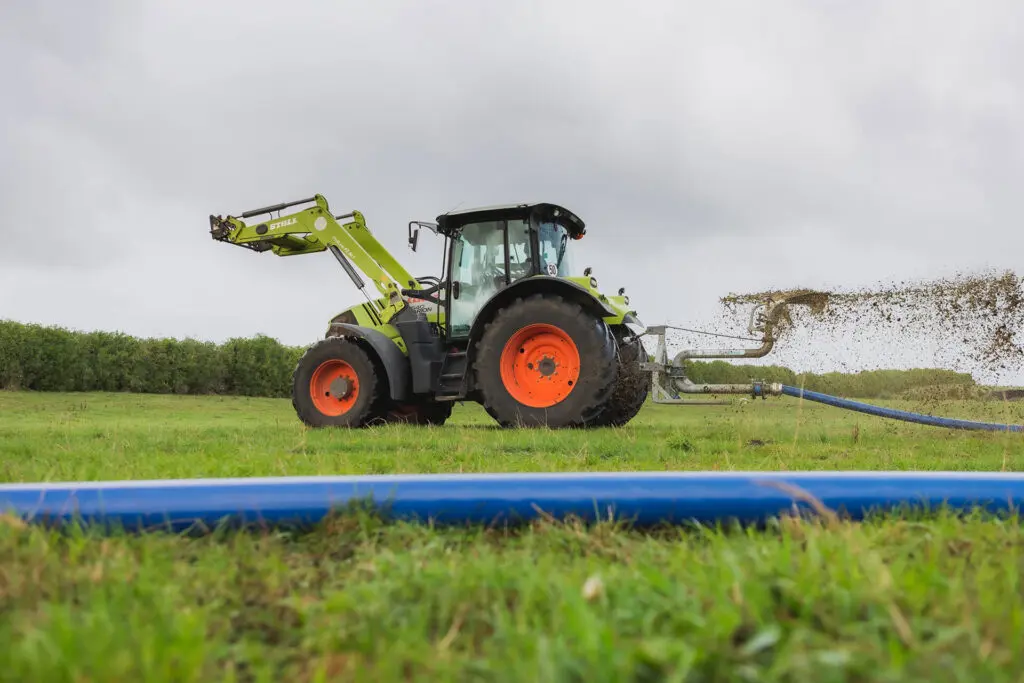
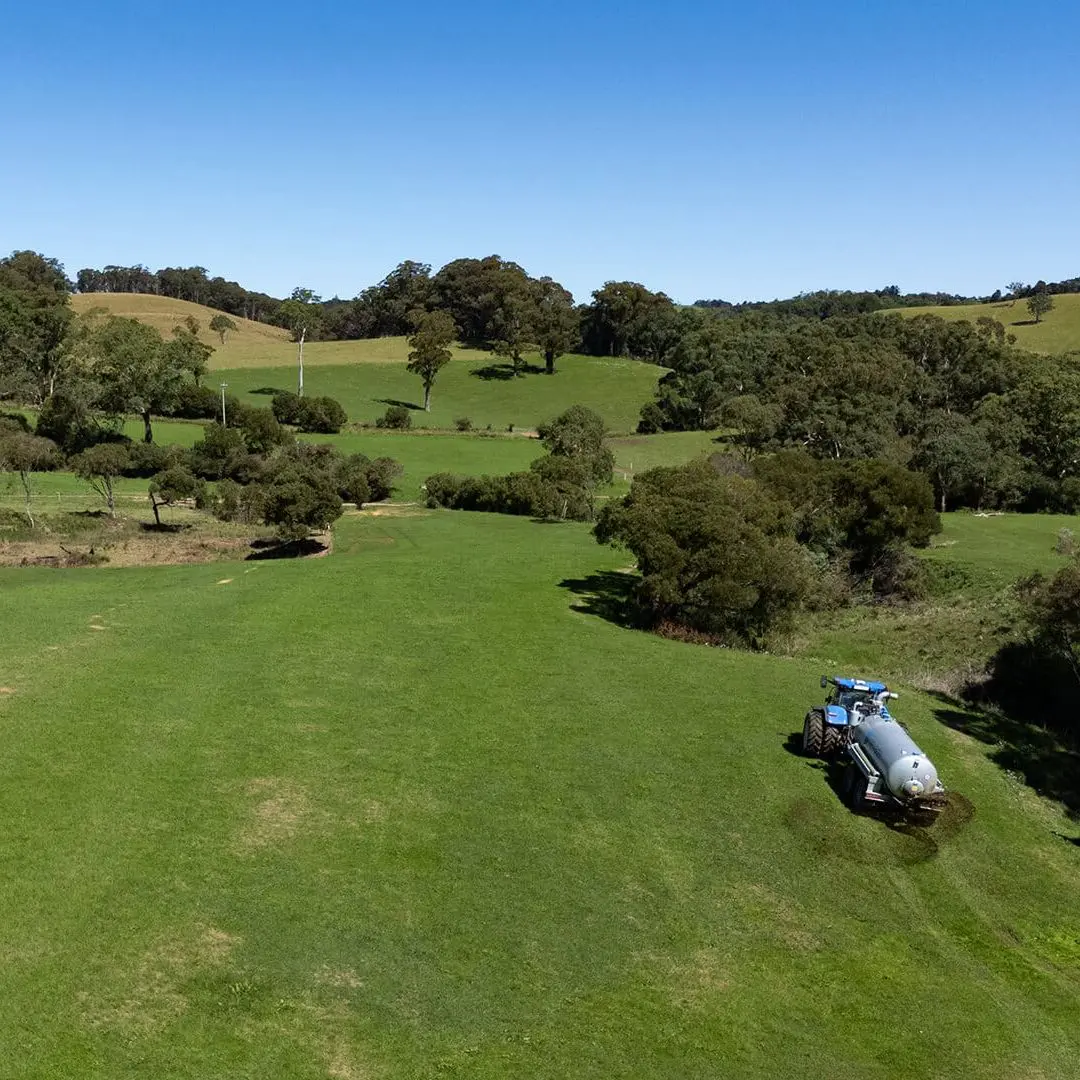
These two rules apply whether you use a tanker, Fertigator pods or a travelling irrigator.
This is where things can get quite complicated, and we recommend calling the expert team at Nevada. We’ll be able to help you figure out the right nutrient balance and application area.
The most critical fact is that the soil moisture deficit needs to exceed the application depth, and the soil nutrient requirements should not be exceeded to maximize response from your free effluent fertiliser. To achieve, this irrigation should be delayed until late spring/summer and applied to a large area.