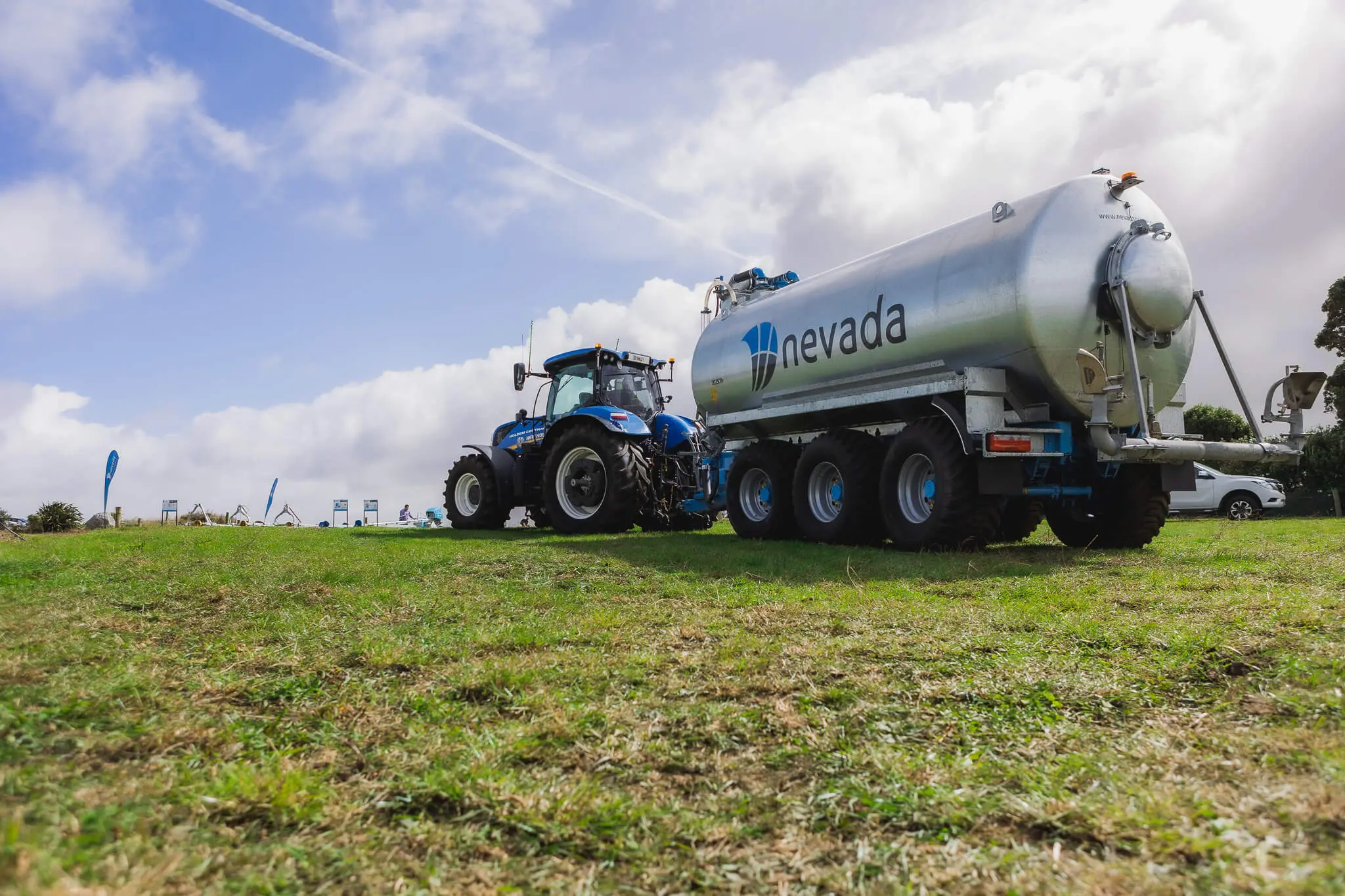
Of course if you’re reading this, you already know effluent is like liquid gold when it comes to fertilising, so it’s also an excellent choice for irrigation.
Here’s how you can future-proof your farm and make use of your effluent for irrigation…
Storage size
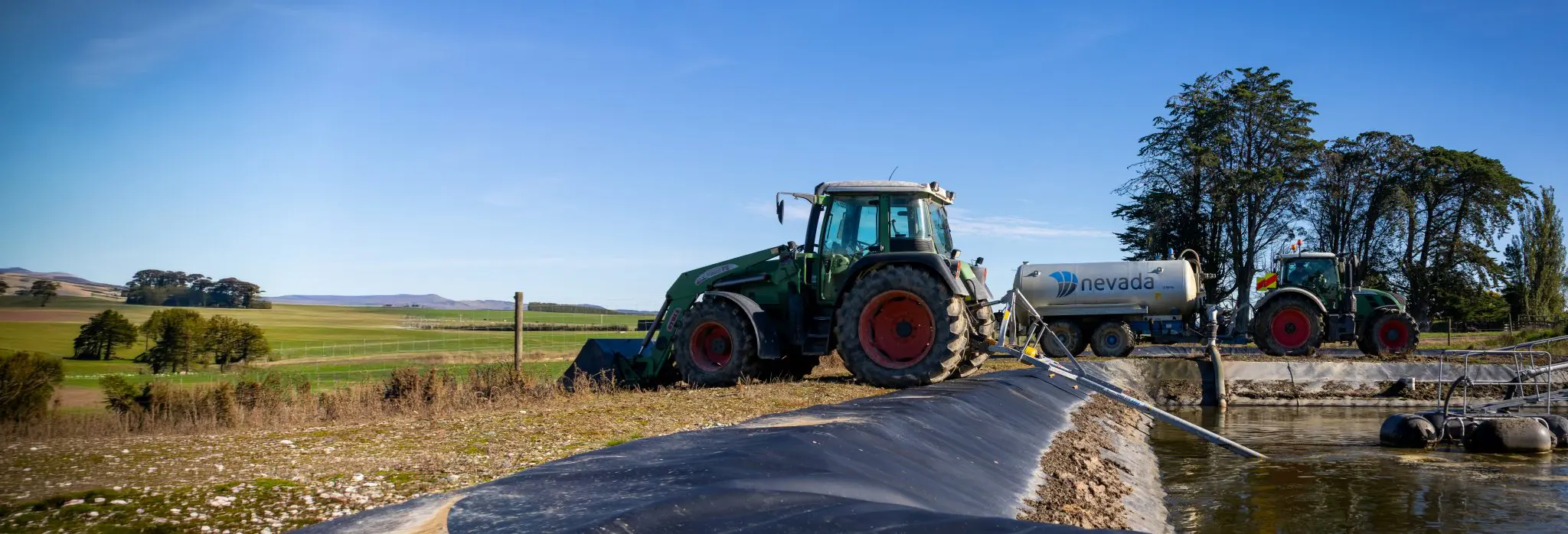
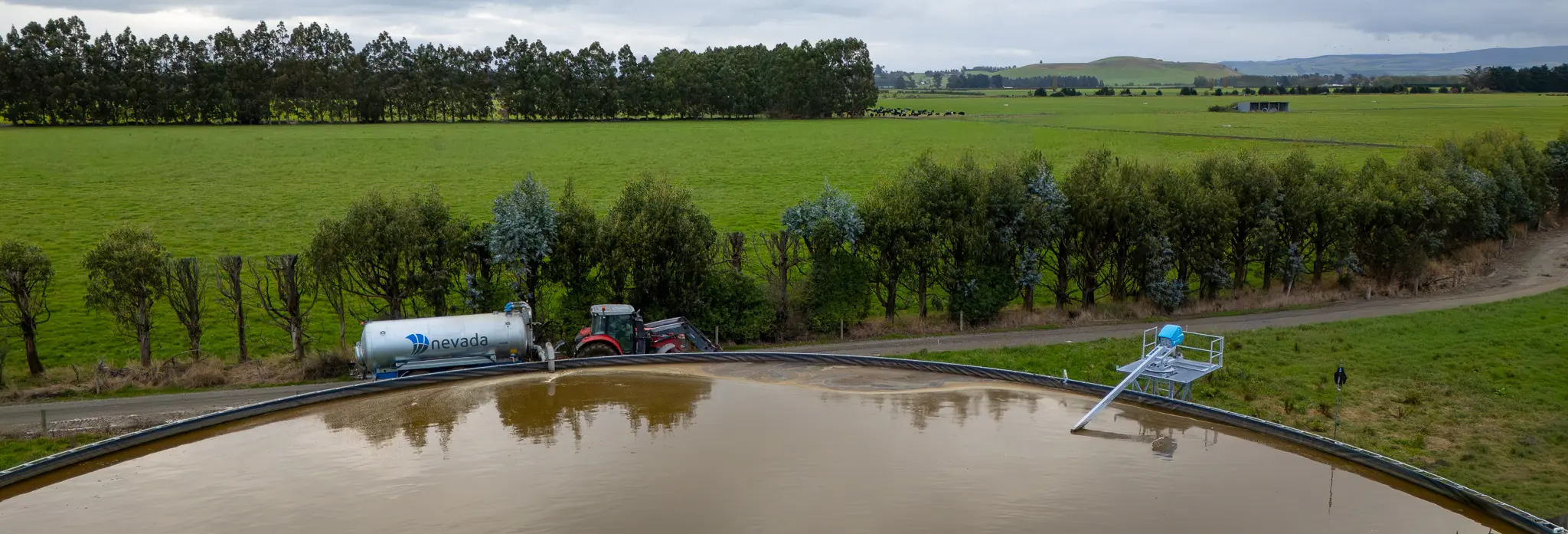
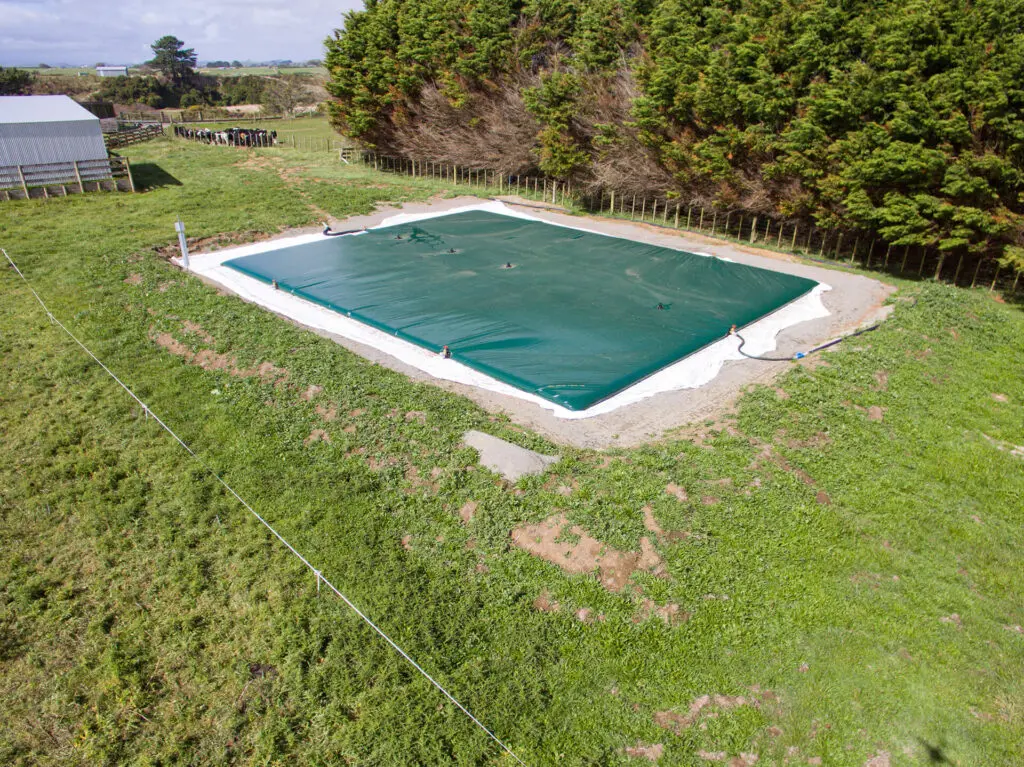
Whether you’ve got an effluent pond, tank, or something else, it’s always advisable to have more than the minimum volume of storage. In winter this means you won’t be worried about overflowing during times when you can’t spread and leading up to summer it means you’ll have room to store more for when you need it the most for irrigation.
Get a good stirrer
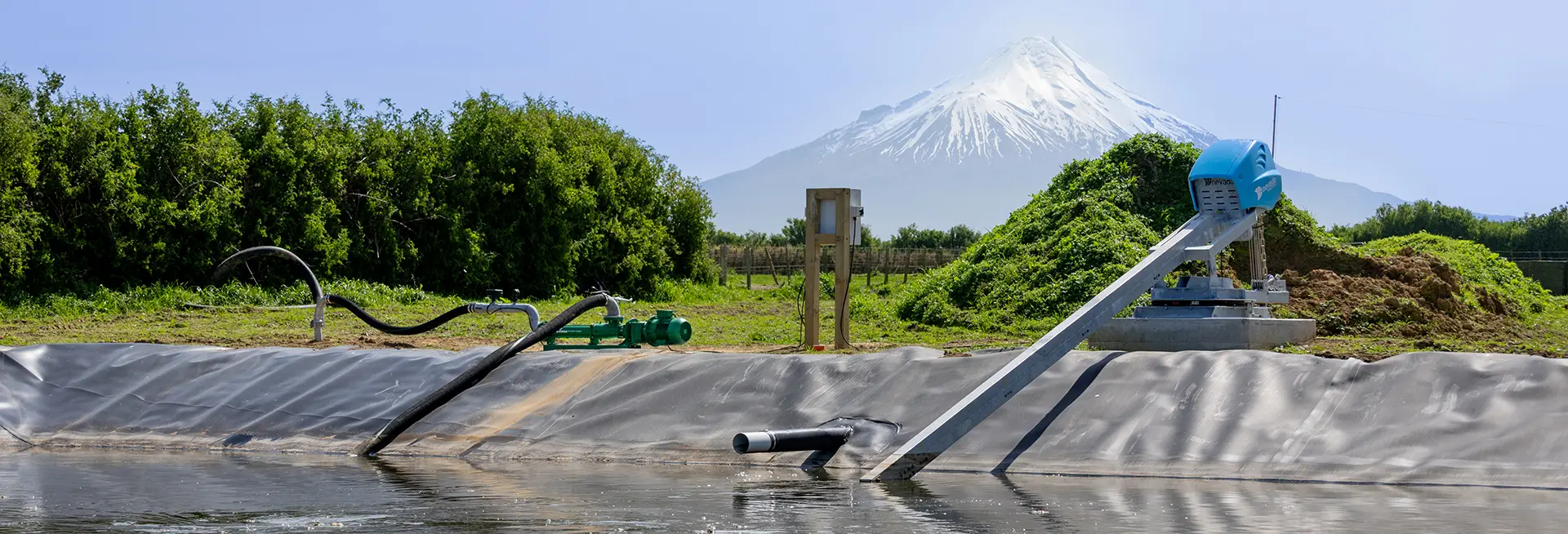
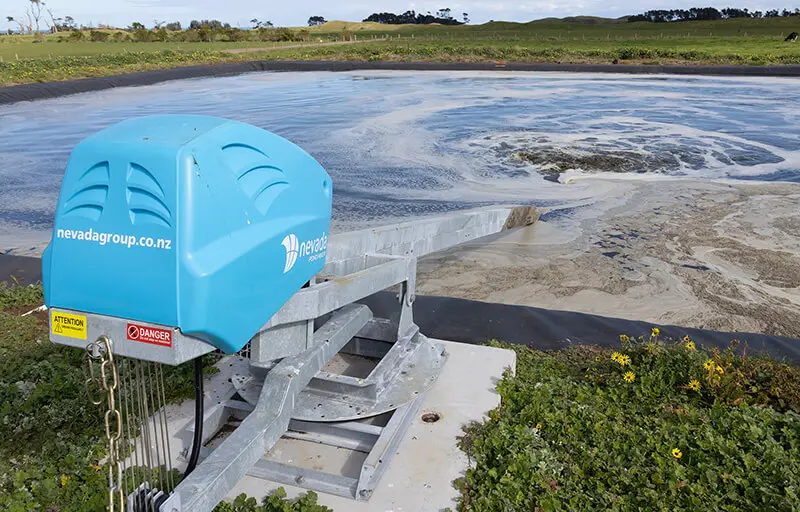
Stirring your effluent well prior to pumping has numerous benefits, but one of the main ones in terms of irrigation is making sure you’re not getting a build up of solids at the bottom of your pond or storage tank. Not only will this reduce the volume of storage available, but eventually you’ll need to empty the storage and have the sludge dug out which can be costly and inefficient. By giving the effluent a good stir, you’ll have a consistent mix that keeps the pond clean, your pump working, and your irrigation system running smoothly.
Timing is critical
Irrigating in the evening, early morning, or even overnight is the best thing you can do to minimise liquid loss due to evaporation. During very dry spells it may be best to save the effluent for critical requirements like seed germination.
Spreading methods
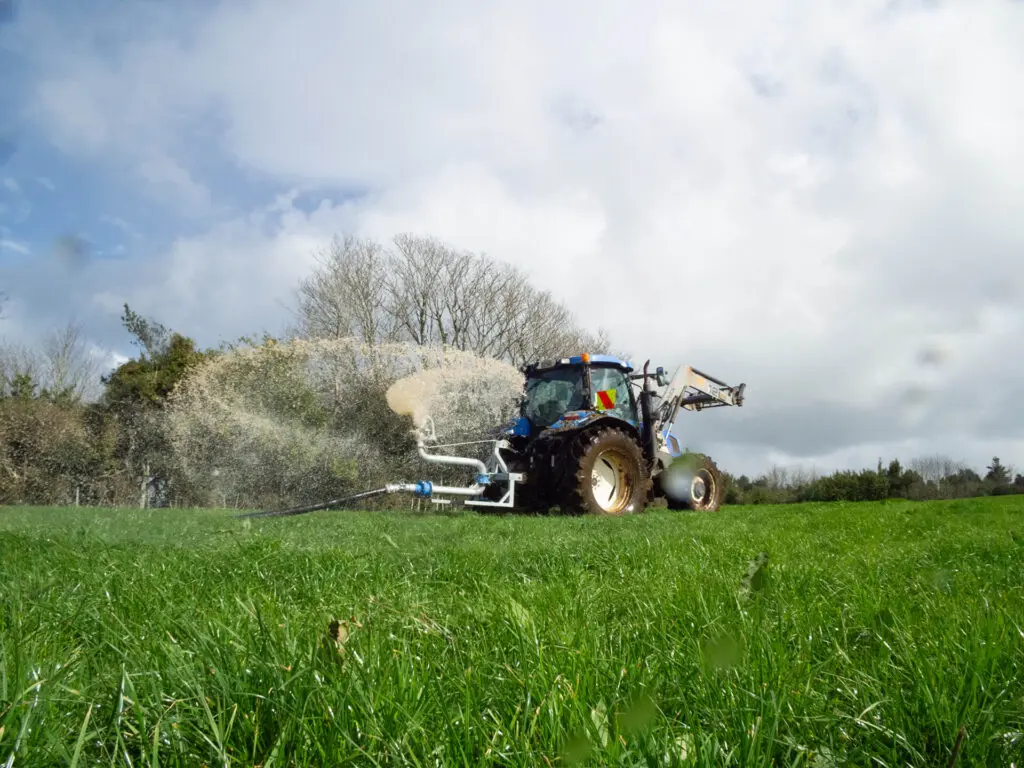
A low pressure irrigator is usually recommended as these have a lower rate of volitisation, therefore more nutrients are able to make it into the ground to be absorbed. Here are some of the best options when spreading for irrigation:
RainWave™ slurry tanker or drag hose system
These are an excellent choice for fast, effective, low pressure spreading. Either of these options require minimal set up to get going, making it easy to spread over a large area in a minimal amount of time. This makes them a convenient option for getting the job done before sunrise, or in the evening when the sun has set.

Low pressure travelling irrigators
These can be a great option when you have a timer and can set them to run overnight while you sleep.
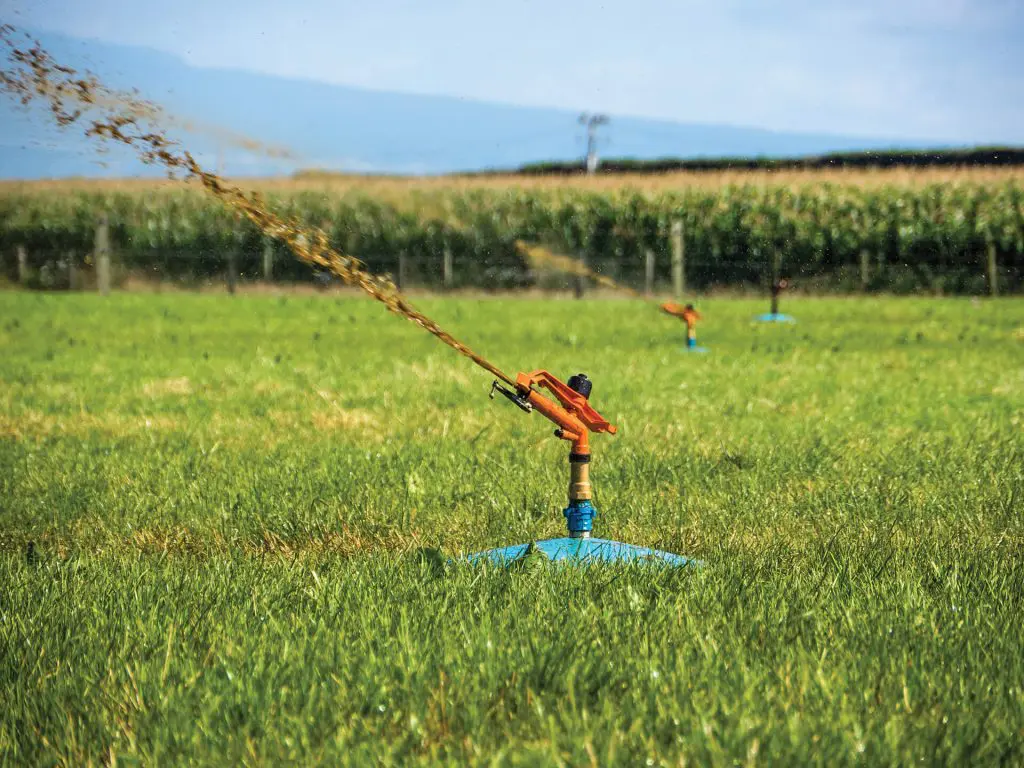
Multiple Fertigators™
While they are not low pressure, setting up multiple Fertigators™ throughout crops and running them during the evenings or overnight can be very effective. They provide a wide reach and work fast to spread evenly through the crops.
We’re here for you!
Want to learn more about how to make the most of effluent for irrigation, or help with equipment choices, give us a call today!