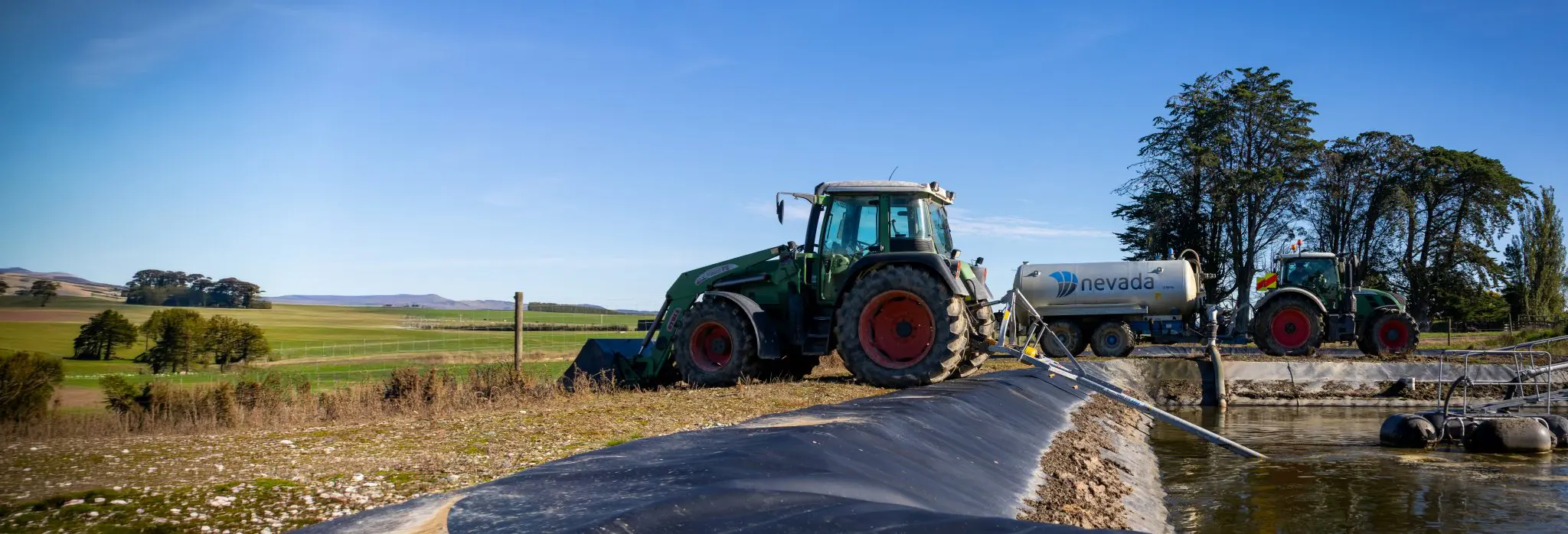
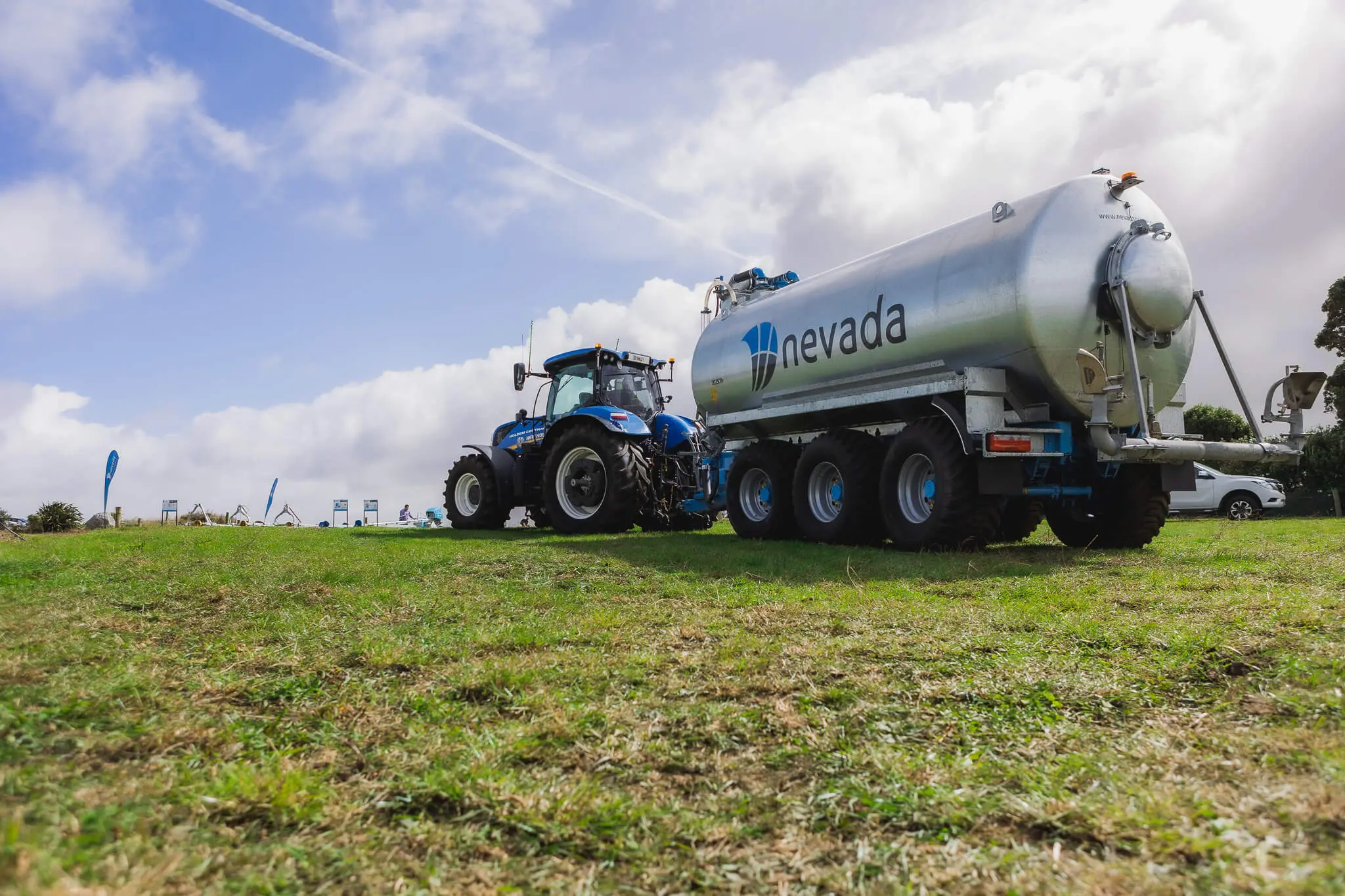
At Todd Dairies in Winton, Southland, contract milker Vincent Trabasas uses a Nevada Electric Stirrer and 16,500L Tandem Axle Slurry Tanker as one connected dairy effluent system. The process starts in the KlipTank, where the effluent is mixed before being loaded into the tanker and carried out to the paddocks. Here’s how the complete process works, from storage through to spreading.
Stir the Dairy Effluent
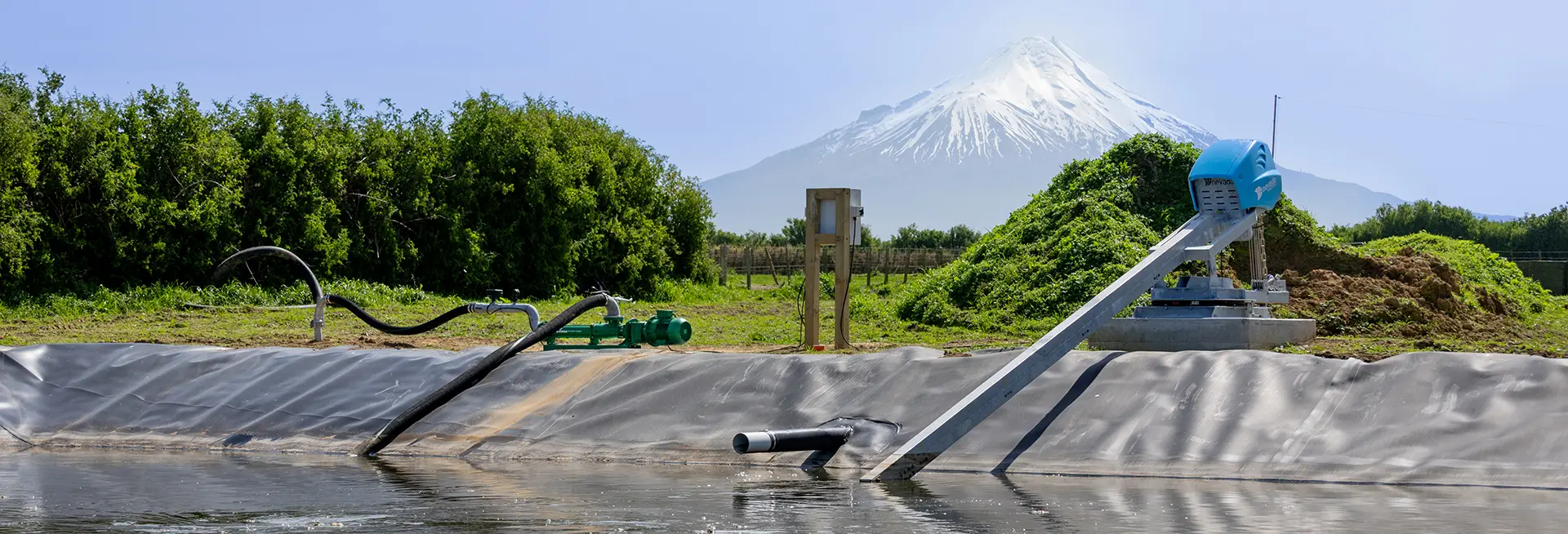
Vincent starts by turning on the Nevada Electric Stirrer. He can operate it manually or set it to start and stop automatically at chosen times. If a crust has formed, the stirrer can break it down and bring the nutrients and solids settled at the bottom back into suspension. Once the effluent is properly mixed, regular stirring helps keep that material moving and creates a more consistent mix before the tanker is loaded. The same principle applies to other dairy effluent storage systems, including ponds and bladder tanks. While Vincent is out spreading, the stirrer can keep mixing the remaining effluent ready for the next load.


Load the Effluent Tanker
Once the effluent is mixed, Vincent hooks up the Nevada 16,500L Tandem Axle Slurry Tanker and drives over to the KlipTank. He lowers the eight-inch Auto Fill Arm into the tank. The tanker’s high-capacity vacuum pump then draws the mixed effluent into the tanker within a few minutes. When loading is complete, Vincent lifts the arm and heads straight to the paddock.
Carry Effluent across more of the farm
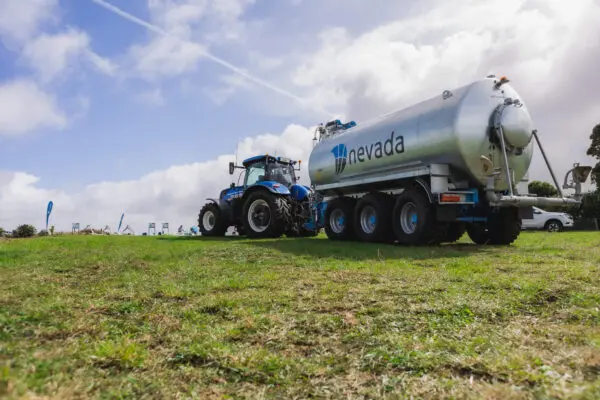
Todd Dairies continues to use its rain gun within the area it can reach, which is around 30% of the farm. The effluent tanker works alongside it, carrying mixed effluent to the remaining paddocks and corners. Together, the existing rain gun and Nevada tanker allow Todd Dairies to spread effluent across 100% of the farm. The tanker completes the setup by taking effluent beyond the fixed irrigation area.

Spread through the RainWave™
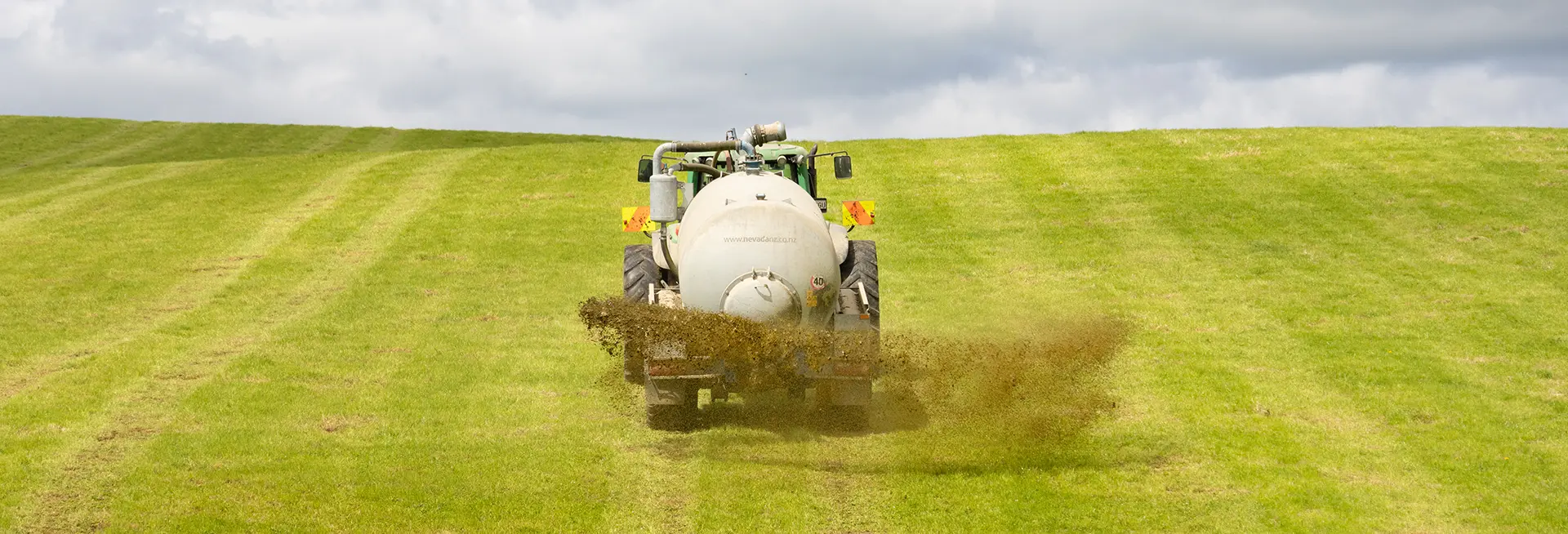
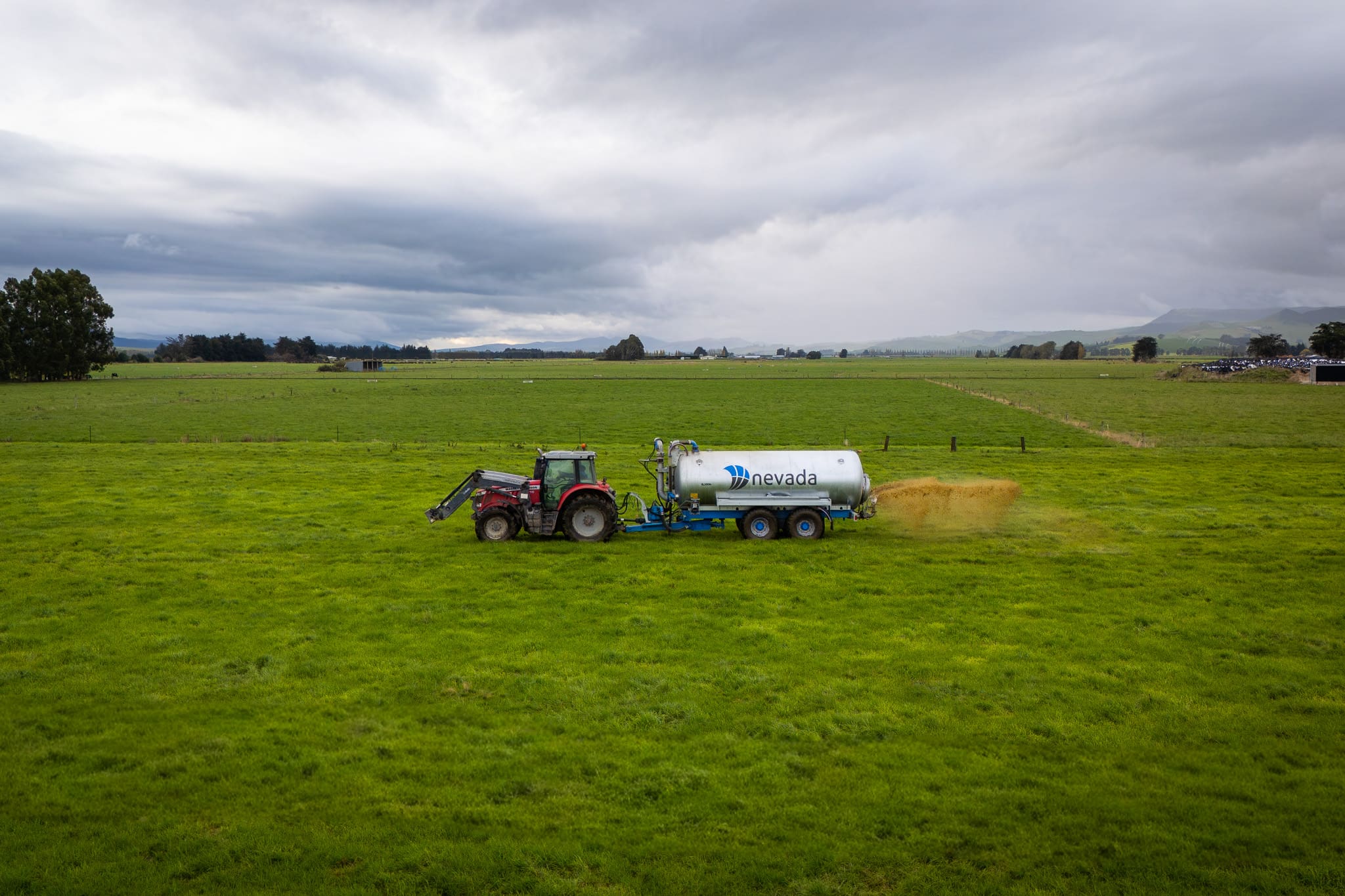
At the back of the tanker, the Nevada RainWave™ spreads the effluent across a 12-metre width. The larger droplets are less likely to drift in the wind or sit on the pasture leaf. Instead, they fall through towards the soil and root zone, where the pasture can make better use of the nutrients. Because the KlipTank has already been stirred, Vincent is also spreading a more consistent mix from one load to the next.
One connected system from storage to paddock
Each part of the Nevada system has a clear job. The Electric Stirrer keeps the effluent mixed, bringing settled nutrients and solids back into suspension and breaking down crust when needed. The Auto Fill Arm and vacuum pump make loading straightforward, while the effluent tanker carries the mixed effluent across the farm and spreads it through the RainWave™.
Stir. Load. Carry. Spread. Repeat.
Want to see what this setup has achieved on farm?
Watch the full Todd Dairies ON FARM story to see how Vincent and Shannon use the system to extend dairy effluent coverage from 30% to 100% of the farm.