Slurry Tanker: Peter’s Research Paid Off
As a contractor in Eketahuna there’s no room for mucking around…
Slurry Tanker: Why Darryl Upgraded To The 16,500L Auto-Fill
Going bigger was the logical choice for Darryl Hickey…
Slurry Tanker: Nathan’s No Longer Worried About Resource Consent
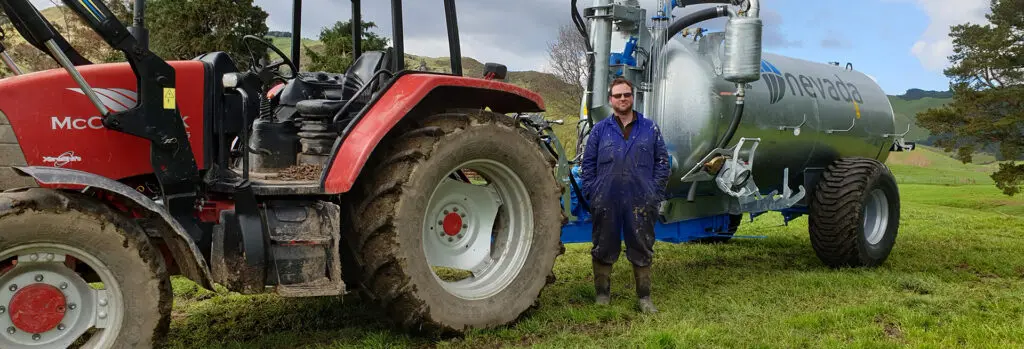
Discover how smart effluent management turned waste into a valuable resource for Nathan on New Zealand farm.
Slurry Tanker: Lawrence Has More Control Of His Effluent Management
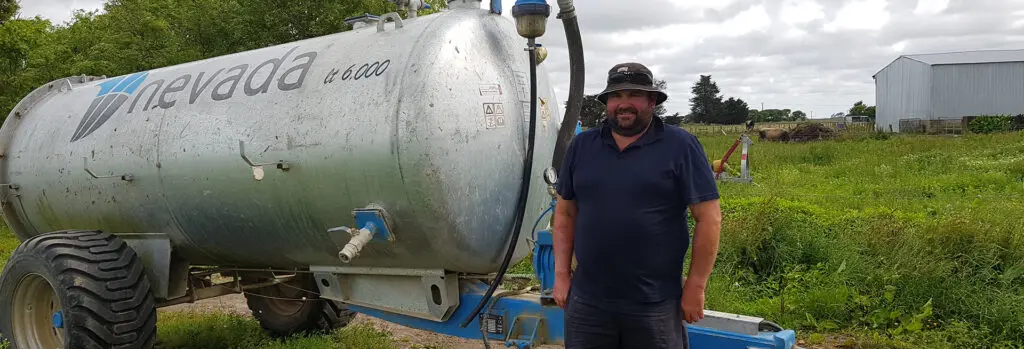
Lawrence shares how using a Nevada slurry tanker has given him full control over dairy effluent management, improving efficiency and simplicity straight from the tractor seat.
How an Electric Stirrer and Effluent Tanker Work Together
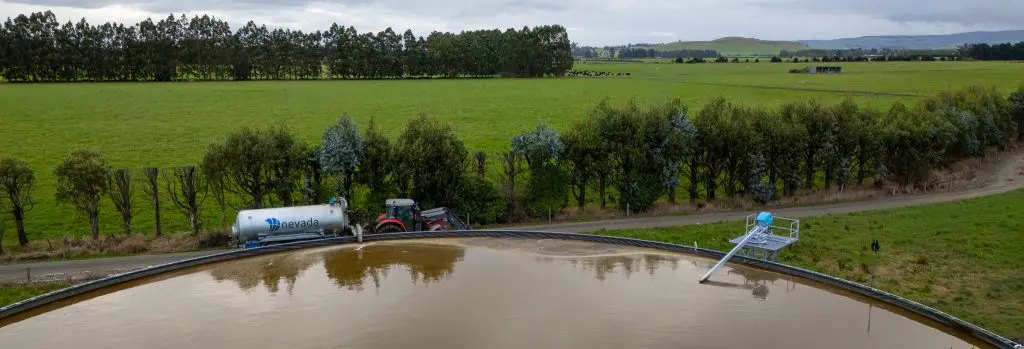
At Todd Dairies in Winton, Southland, contract milker Vincent Trabasas uses a Nevada Electric Stirrer and 16,500L Tandem Axle Slurry Tanker as one connected dairy effluent system. The process starts in the KlipTank, where the effluent is mixed before being loaded into the tanker and carried out to the paddocks. Here’s how the complete process […]
Slurry Tankers: Single or 2 Axles and Tridem vs Tandem?

When choosing between single, tandem, or triple axle slurry tankers, it all comes down to size, stability, and terrain. Whether you want easy manoeuvrability or maximum load capacity, selecting the right axle setup makes a significant difference to both performance and safety. For many farmers, deciding between a single unit or a slurry tank 2 […]
How to Avoid a Slurry Tank Implosion
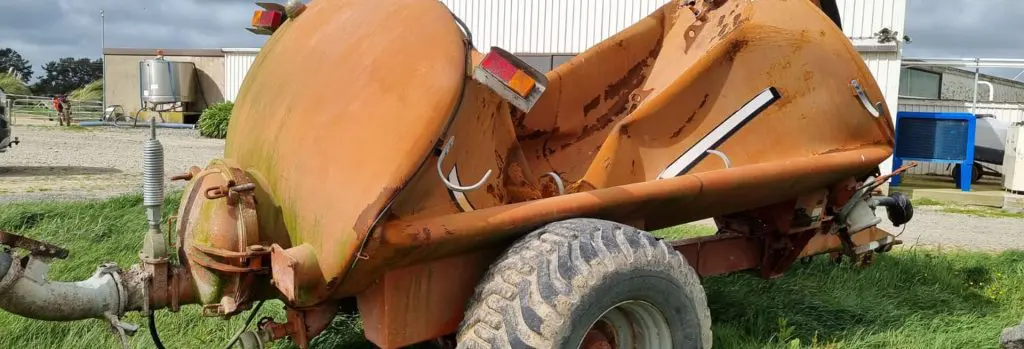
Understanding Tank Implosion Risks Tank implosion happens when the vacuum system fails or when fittings are not maintained correctly. An imploded tank on a slurry tanker is not only costly but also dangerous if the structure fails under pressure. From corroded steel to poorly adjusted valves, there are several causes that can be prevented through […]
Slurry Tanker Benefits After Two Seasons on a Southland Farm
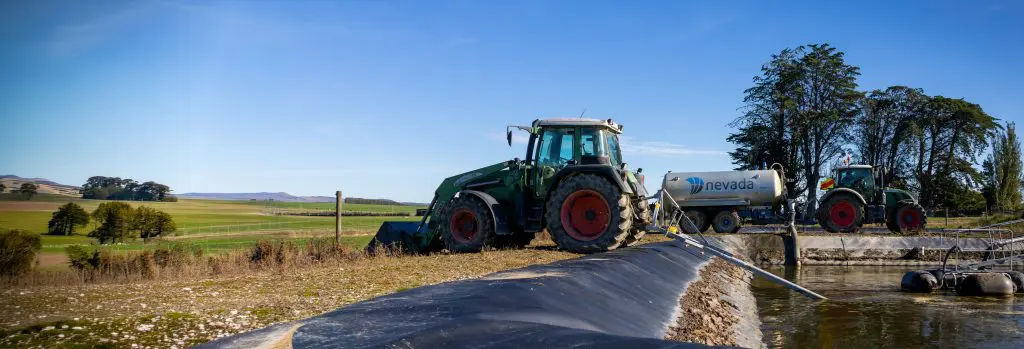
Southland farmers Ben and Mackenzie share how their slurry tanker and pond stirrer helped them cut two rounds of synthetic nitrogen fertiliser.
How Much NPK Is in Dairy Effluent? A Real Farm Example

Real NPK results from a Southland dairy farm in New Zealand Ben Johnson and Mackenzie Priest-Johnson farm near Riversdale, in New Zealand’s Southland region. Their dairy effluent is applied at around 36,000 to 38,000 litres per hectare, or roughly 4 mm. At that application rate, their nutrient test indicated they were applying approximately: That gives […]
Why is a Slurry Tanker Your Best Option?
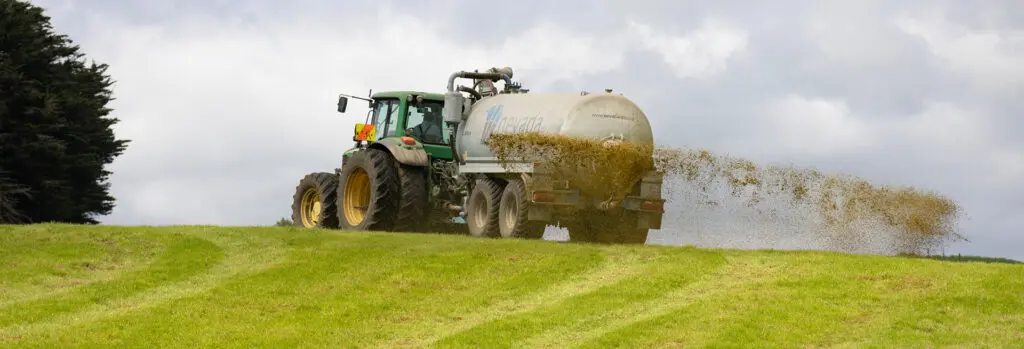
Isn’t it more time-consuming? There is a perception amongst some farmers that a slurry tanker is a slow way to spread effluent and that couldn’t be further from the truth. Slurry tankers are incredibly efficient systems. It takes three minutes to load 12,000 litres of effluent into a tanker and it takes three minutes to […]
How Do I Get the Most Value Out of My Dairy Effluent?
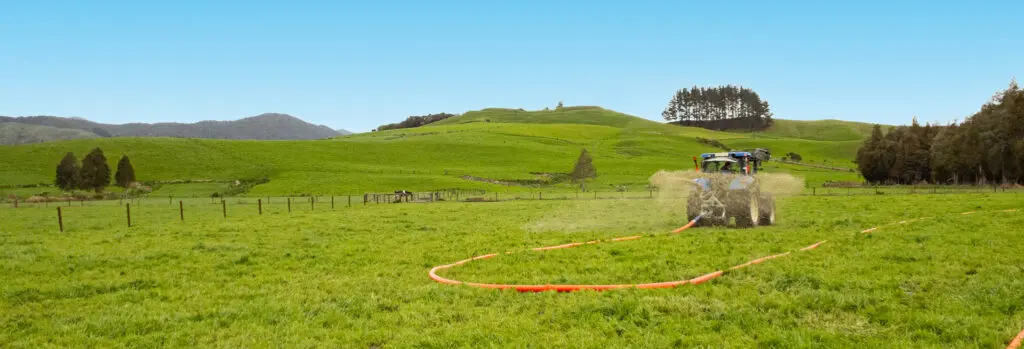
Apply dairy effluent directly Ideally you’d apply dairy effluent as soon as possible after collection. That way, there is no nutrient loss from storage and your paddocks immediately reap all the benefits. As we all know, that’s not always possible. That’s why we’d recommend a good storage solution and stirrers to agitate the effluent and […]
Nevada RainWave™ vs Traditional Splash Plate

A comparison we often use with the RainWaveTM is to imagine the difference between shaking a hose from side to side, or getting a hose and putting your finger over the edge to create a fan. Each method has its advantages, but also different levels of efficiency when it comes to spreading nutrients on the […]