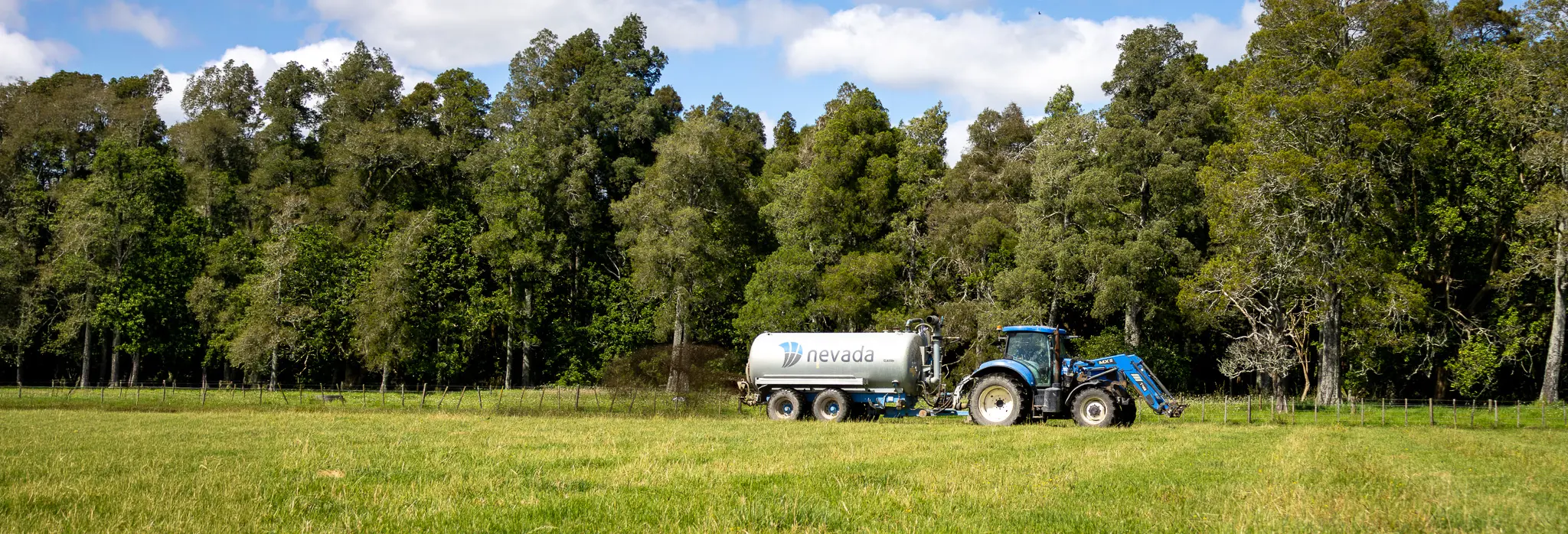
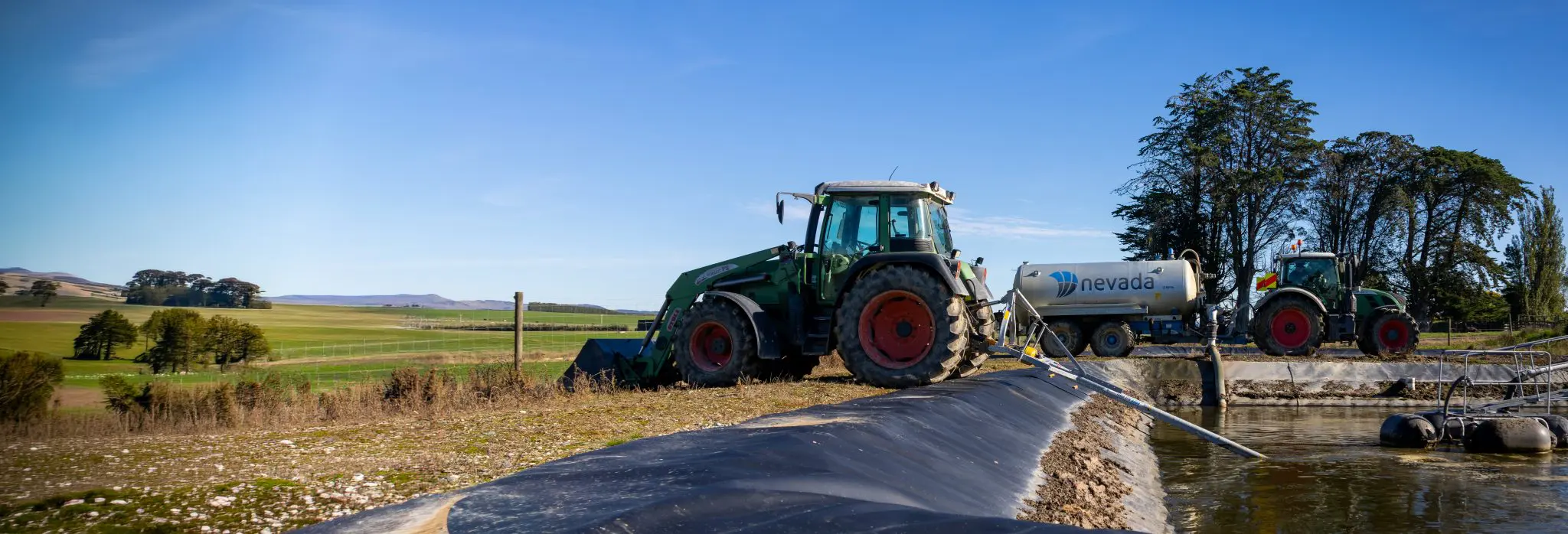
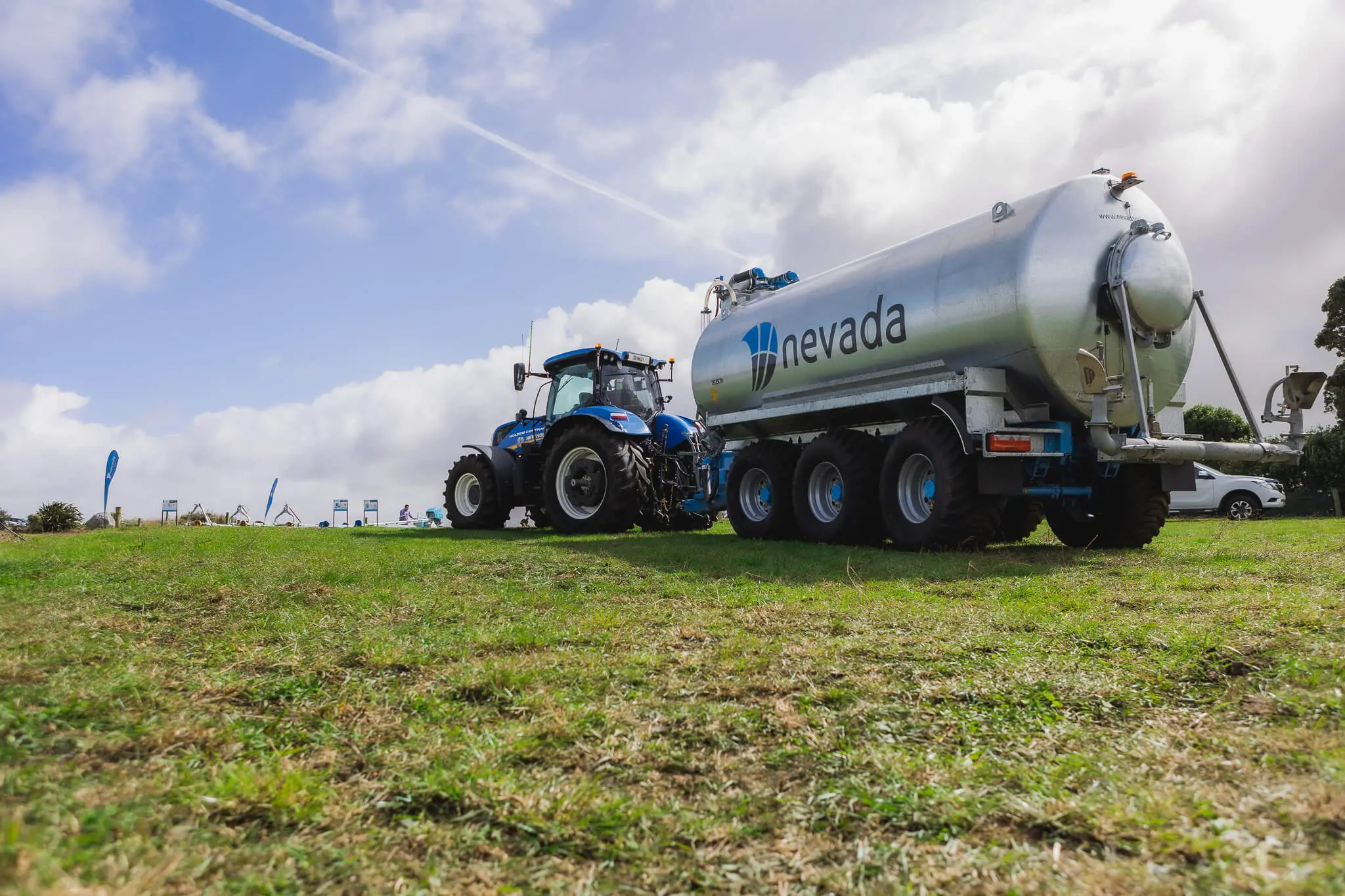
Slurry tankers can be taken just about anywhere on the farm, and with a RainWaveTM applicator the spread per hour is much faster than the typical travelling irrigator. Not only is it faster, but the spread is more accurate and controlled with less wind drift. This allows spreading into corners, irregular shaped paddocks, and closer to waterways, roads or neighbouring properties.
Flexibility with a Slurry Tanker
Having a slurry tanker means you can spread when and where you want. It allows the flexibility of spreading small amounts when time allows or doing large amounts all at once.
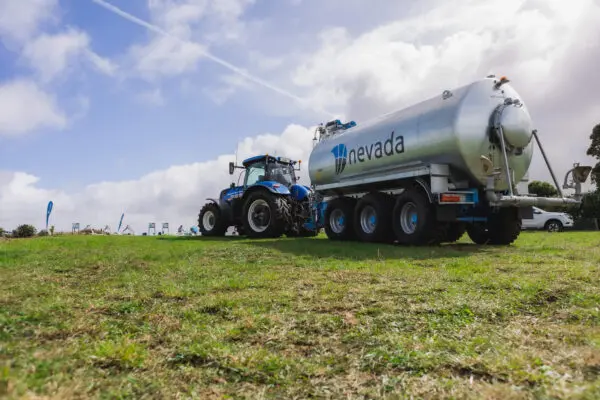
Our advice is to get the biggest slurry tanker your tractor can safely pull in order to make the most of your time. The bigger the tanker, the less loads you need to make – and you don’t always have to fill it.
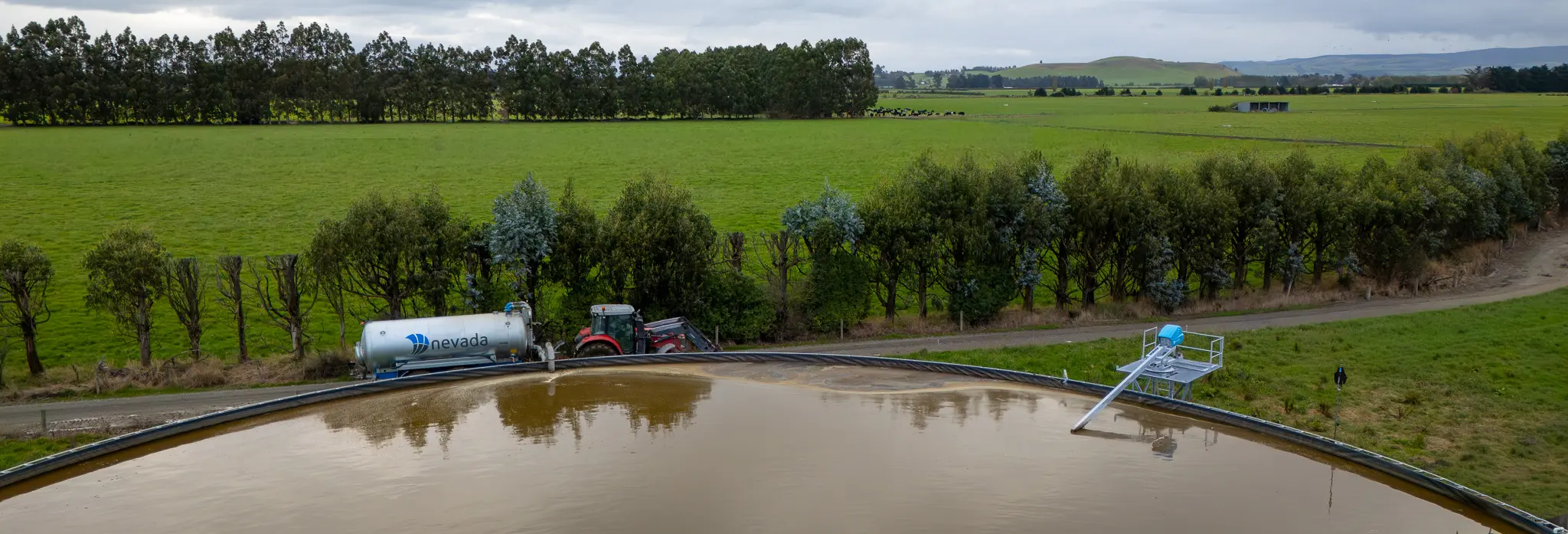
Nevada slurry tankers are very easy to pull and operate, and new owners are often surprised at just how fast they are. Auto-filling arms increase the speed to load the tank, and larger models can be fitted with a loading accelerator for even faster filling. All Nevada slurry tankers come fitted with RainWave applicators as a standard feature, and triple axle models are fitted with two!
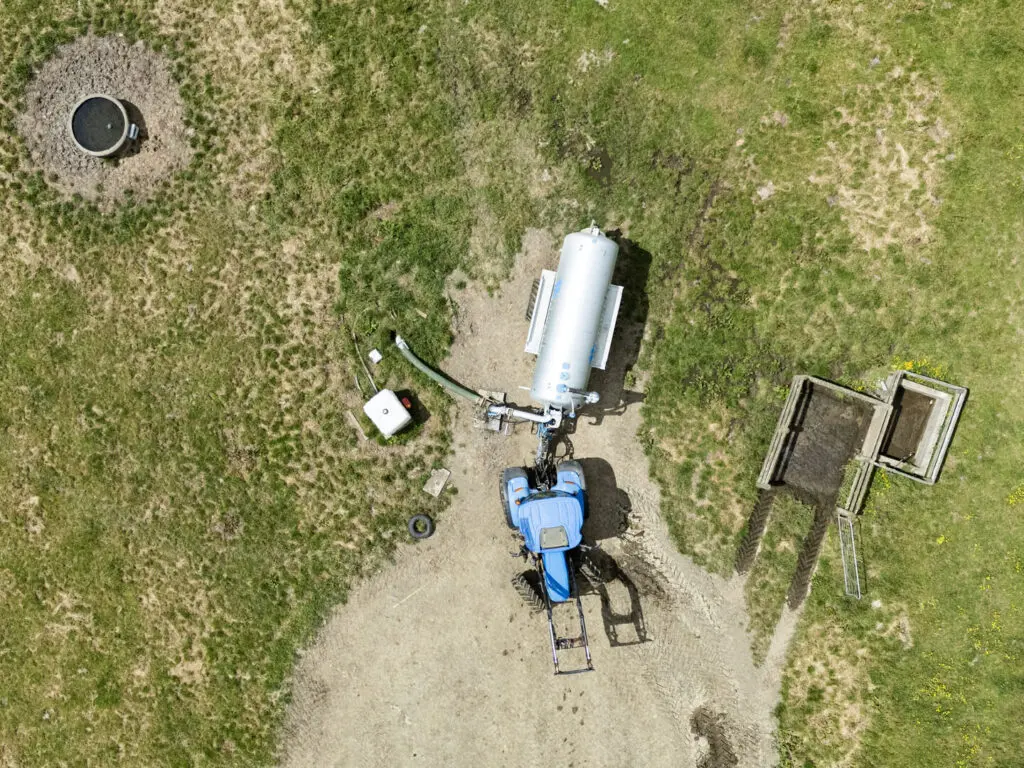
So while a slurry tanker does require labour to operate, the time used is very efficient and productive in achieving a good spread of nutrients just about anywhere on the farm.