Alternatives to Urea? Don’t Overlook Dairy Effluent
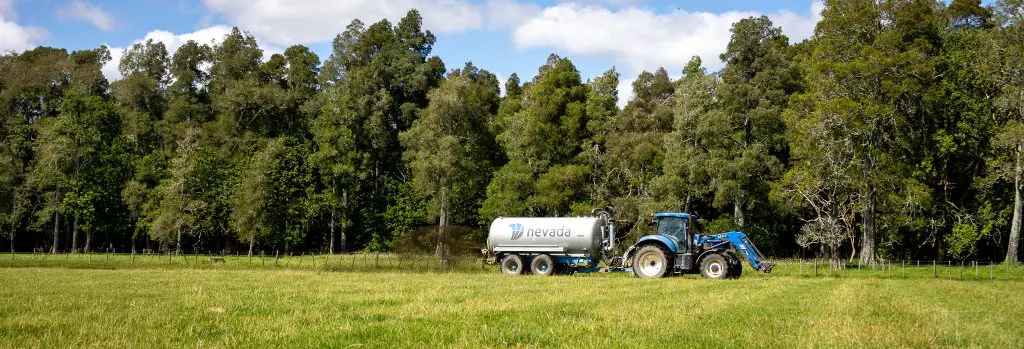
Dairy effluent could be helping you save more on fertiliser. Discover how farmers are making better use of their effluent nutrients to reduce purchased fertiliser costs.
How Much NPK Is in Dairy Effluent? A Real Farm Example
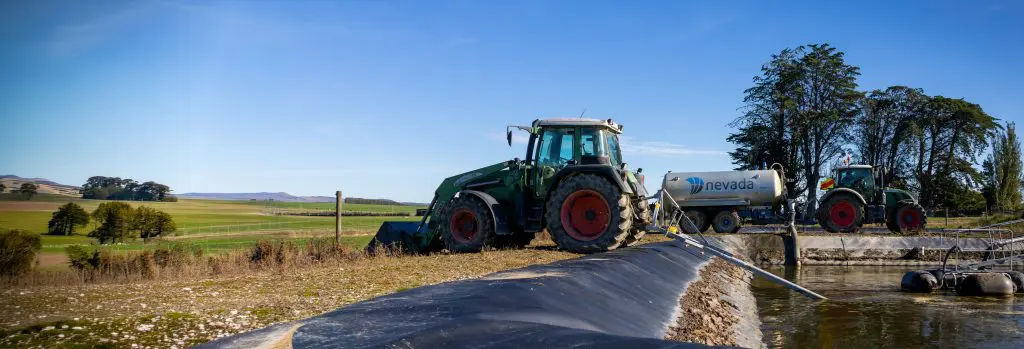
Real NPK results from a Southland dairy farm in New Zealand Ben Johnson and Mackenzie Priest-Johnson farm near Riversdale, in New Zealand’s Southland region. Their dairy effluent is applied at around 36,000 to 38,000 litres per hectare, or roughly 4 mm. At that application rate, their nutrient test indicated they were applying approximately: That gives […]
Cutting Synthetic Nitrogen with Dairy Effluent | Two Seasons On

Father-and-daughter team Ben Johnson and Mackenzie Priest-Johnson return to share how they are making better use of dairy effluent across their Riversdale farm in New Zealand’s South Island.
How an Electric Stirrer and Effluent Tanker Work Together
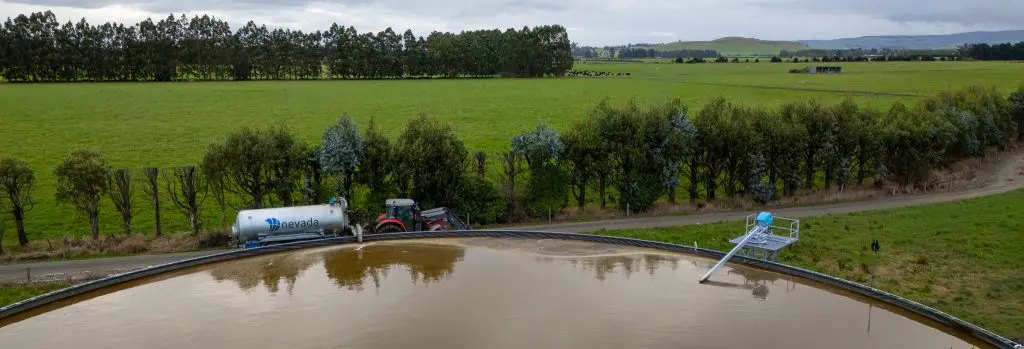
At Todd Dairies in Winton, Southland, contract milker Vincent Trabasas uses a Nevada Electric Stirrer and 16,500L Tandem Axle Slurry Tanker as one connected dairy effluent system. The process starts in the KlipTank, where the effluent is mixed before being loaded into the tanker and carried out to the paddocks. Here’s how the complete process […]
Fewer Cows, More Milk Solids
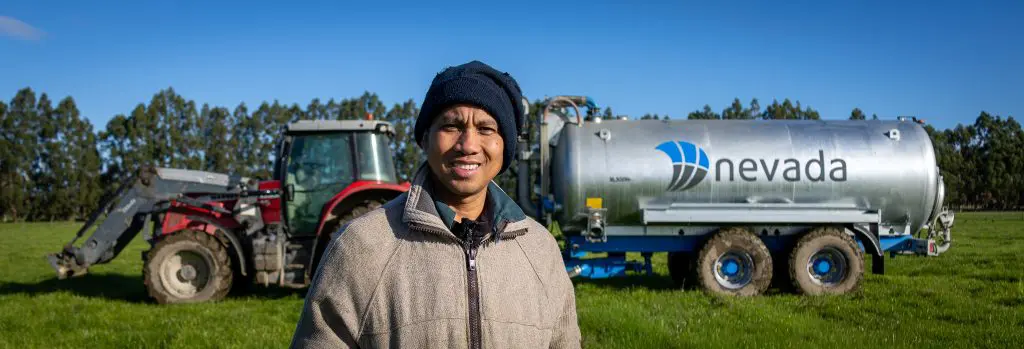
Contract milker Vincent Trabasas explains how spreading effluent across the whole farm is helping Todd Dairies grow more grass, reduce in-shed feed and make better use of its nutrients.
Ross’ Slurry Tanker Does It All!
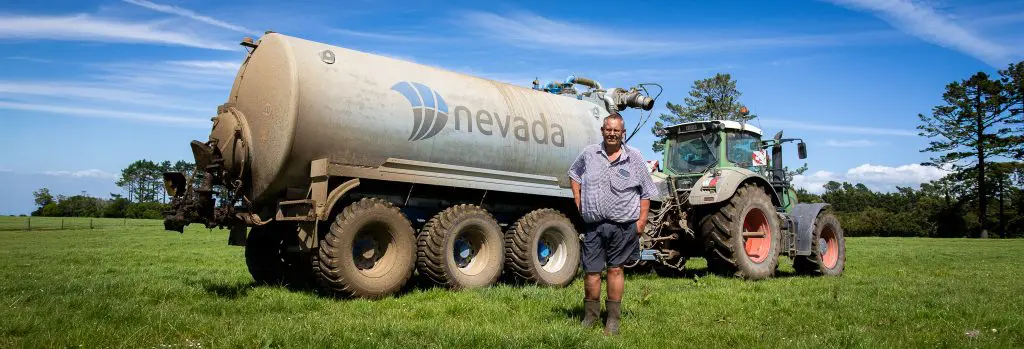
Ross is impressed with how fast, easy and accurate the slurry tanker is…
How do you stay on good terms with your neighbour?
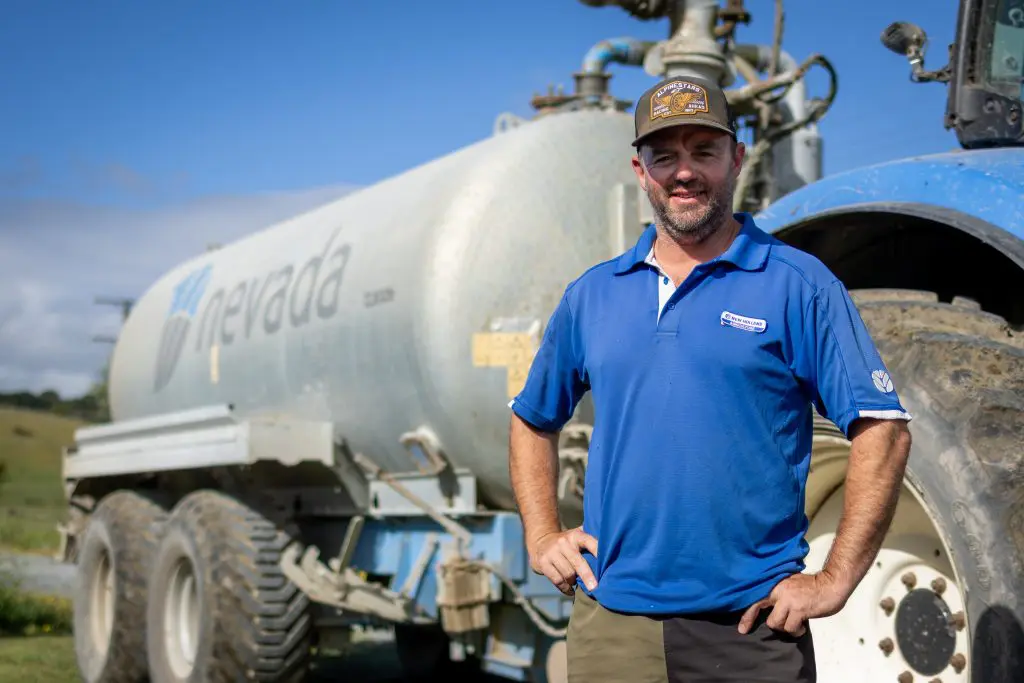
Don’t borrow a slurry tanker from your neighbour. You might not want to give it back.
Slurry Tankers: Single or 2 Axles and Tridem vs Tandem?

When choosing between single, tandem, or triple axle slurry tankers, it all comes down to size, stability, and terrain. Whether you want easy manoeuvrability or maximum load capacity, selecting the right axle setup makes a significant difference to both performance and safety. For many farmers, deciding between a single unit or a slurry tank 2 […]
How to Avoid a Slurry Tank Implosion

Understanding Tank Implosion Risks Tank implosion happens when the vacuum system fails or when fittings are not maintained correctly. An imploded tank on a slurry tanker is not only costly but also dangerous if the structure fails under pressure. From corroded steel to poorly adjusted valves, there are several causes that can be prevented through […]
Spreading Dairy Effluent on Uneven Ground | Aaron Broughton
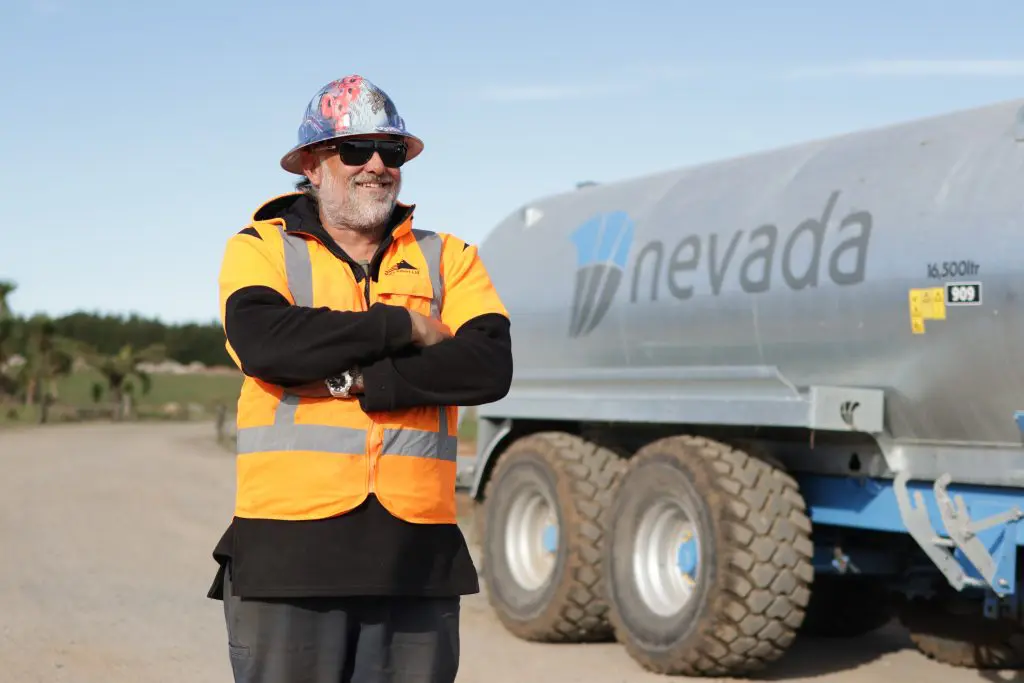
Aaron Broughton shares his experience using a 16,500L slurry tanker with Duo RainWave™ to spread dairy effluent across undulating paddocks in Taranaki.
Working a Slurry Tanker on Rolling Hills

What’s the expression? “Make hay while the sun shines,” and that is exactly what Scott Connell is doing with his Nevada Tandem Axle Slurry Tanker.
Why is a Slurry Tanker Your Best Option?

Isn’t it more time-consuming? There is a perception amongst some farmers that a slurry tanker is a slow way to spread effluent and that couldn’t be further from the truth. Slurry tankers are incredibly efficient systems. It takes three minutes to load 12,000 litres of effluent into a tanker and it takes three minutes to […]