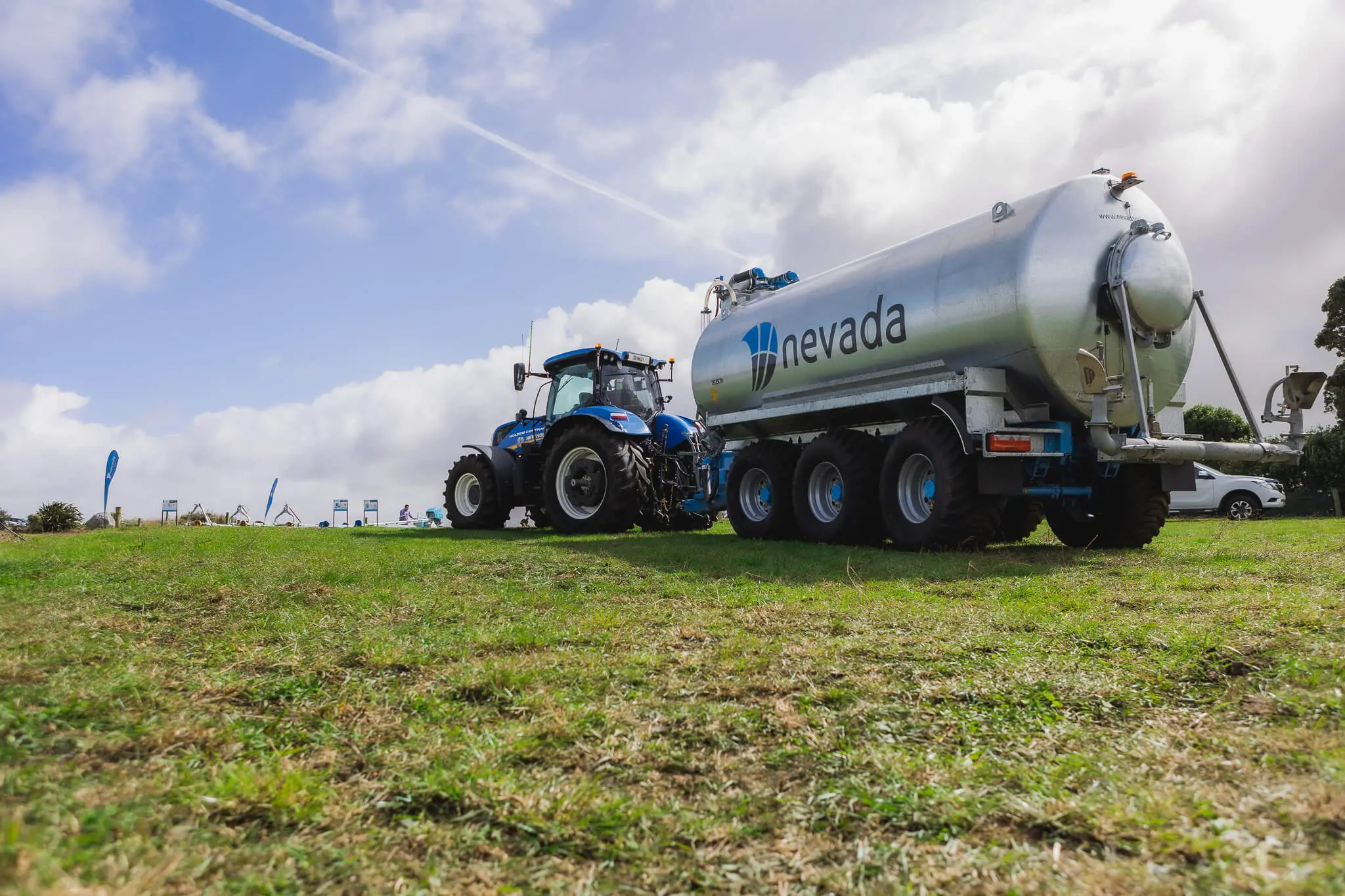
Growing more feed with less fertiliser starts with understanding soil and how nutrients are taken up by plants. More fertiliser does not always equate to more grass.
Understand how soil makes nutrients available
Soil is full of life. Bacteria, fungi and other organisms break down organic material and help cycle nutrients into forms plants can absorb. The condition of the soil affects both microbial activity and how well plant roots can access nutrients.
Some nutrients are already available for uptake. Others, including nitrogen held in organic matter, must first be released through microbial activity. This process is called mineralisation. Nutrients can therefore be present in the soil without being available in the amount or at the time the pasture needs it.
Moisture and temperature affect that process. Cold, dry or waterlogged conditions can slow nitrogen release and pasture growth. Understanding these conditions helps explain why the same fertiliser application can produce different results at different times of year.
Match fertiliser to the feed you need
Pasture and forage crops have different nutrient requirements, which change as they grow. Use soil tests to check fertility and pH, and assess paddock condition alongside the feed you need to grow.
Nitrogen generally gives the best pasture response when growth is active, moisture is suitable and other nutrients are adequate. Consider soil temperature, the weather forecast and whether the extra feed will be grazed or harvested before deciding on an application.
Applying by the calendar alone can miss those differences. DairyNZ’s guidance on managing nitrogen fertiliser use explains how growing conditions affect the response.
Count dairy effluent in the nutrient budget
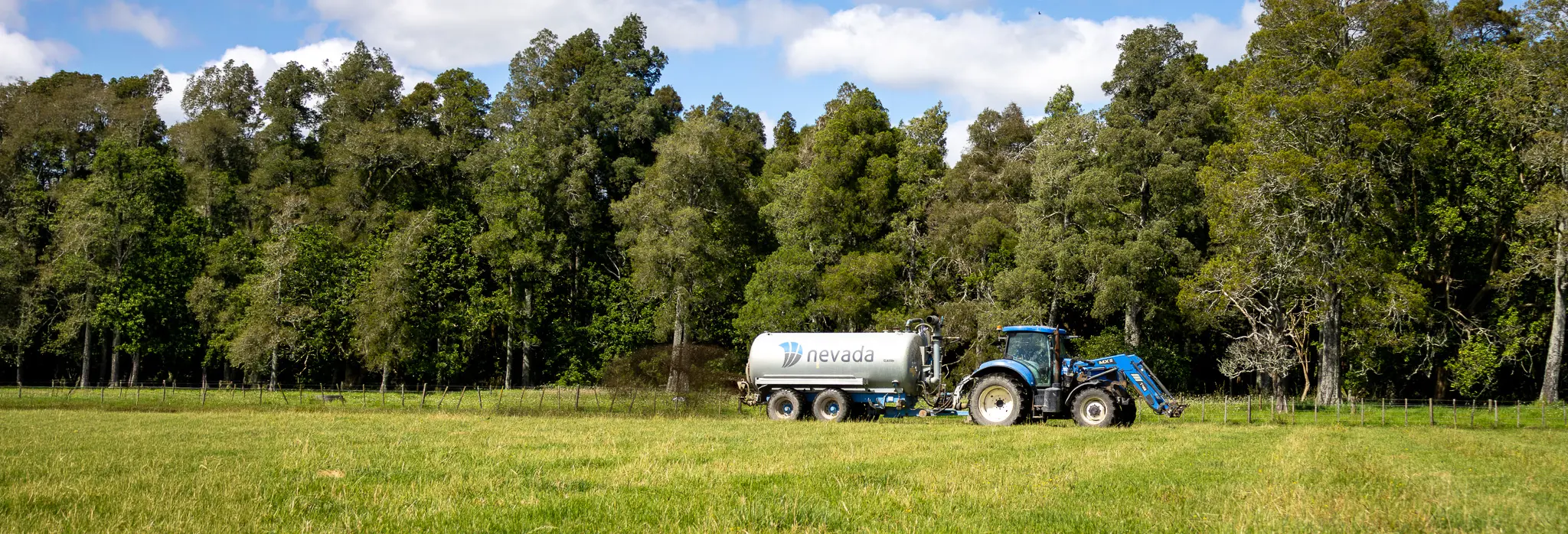
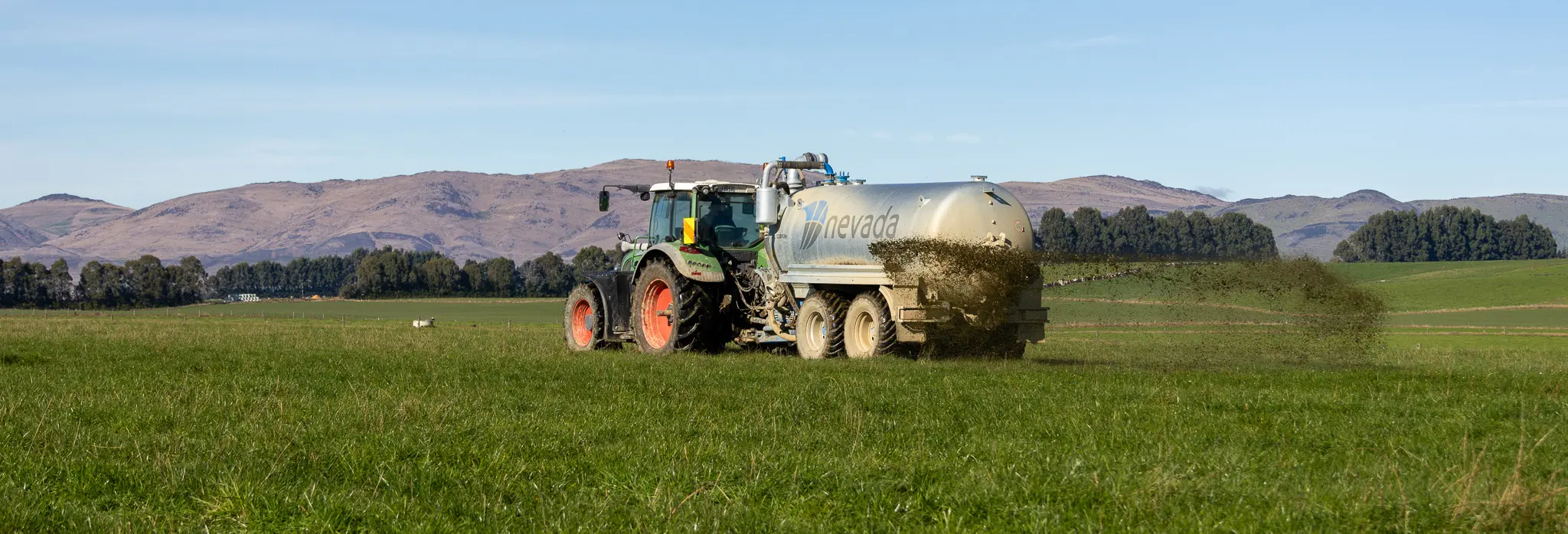
Dairy effluent returns nitrogen, phosphorus and potassium to the farm. Where it supplies nutrients a paddock needs, it can replace some purchased fertiliser.
Have your effluent tested to find out what nutrients it contains. Use those results, alongside soil tests and the amount spread per hectare, to review your fertiliser plan with your adviser. They can help account for when those nutrients will become available and what additional fertiliser is needed.
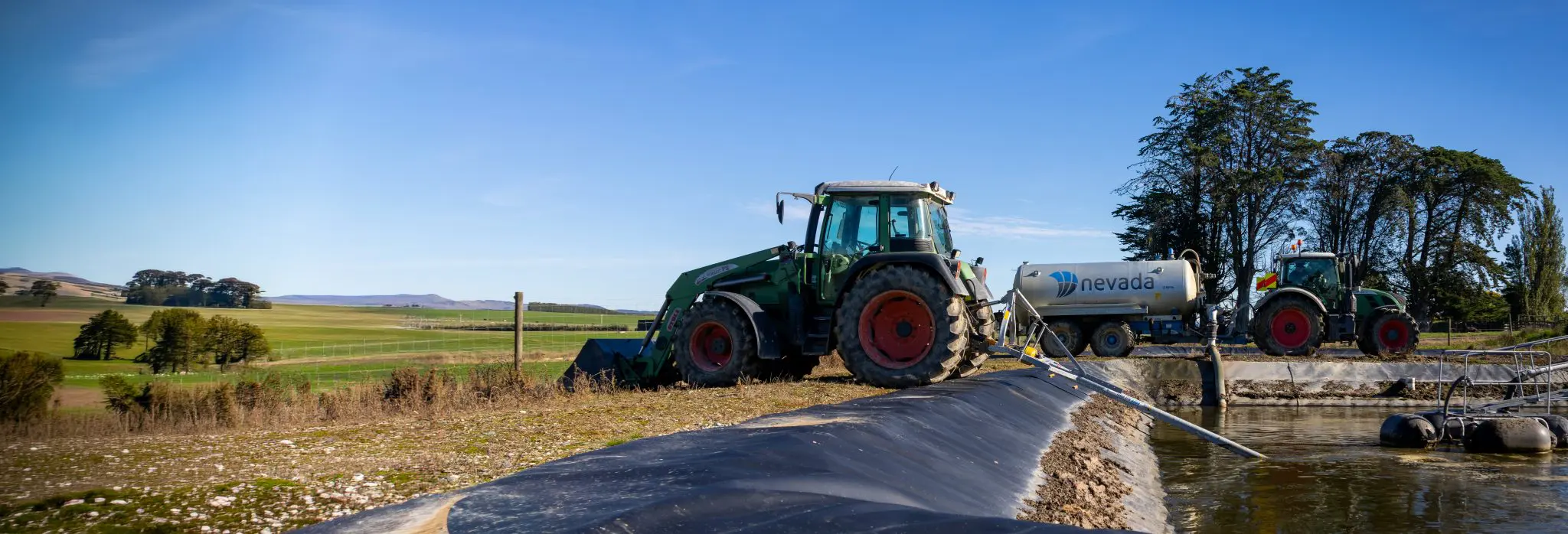
Thorough pond stirring helps mix settled solids with the liquid for more consistent spreading. Match applications to paddock demand and soil conditions, with enough capacity in the soil to absorb the liquid.
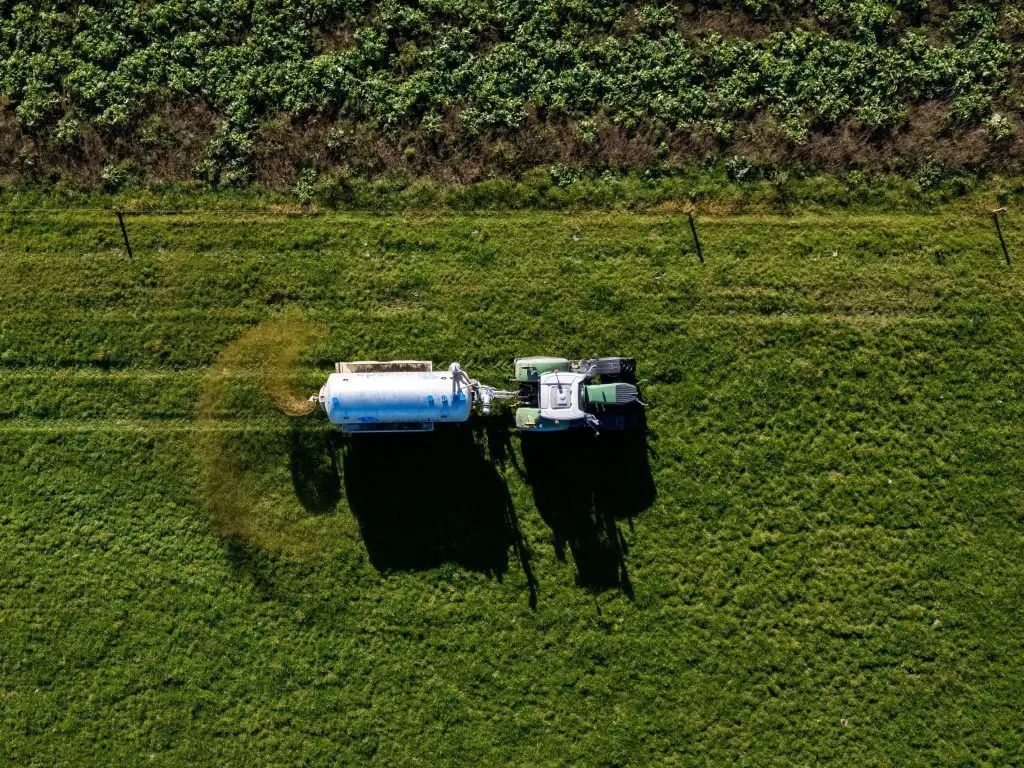
What reducing nitrogen inputs looked like on one farm
On their Riversdale farm, Ben Johnson and Mackenzie Priest-Johnson found that the pasture response following effluent spreading gave them confidence to reduce synthetic nitrogen. At our 2026 follow-up, Ben said they had cut two full nitrogen rounds in the previous season while producing 10,000kg more milk solids.
Read Ben and Mackenzie’s follow-up story to see how they used their tanker and stirrer across the farm.
Start with your soil and effluent test results, review the nutrient plan with your adviser and track pasture growth as you adjust inputs. That gives you a basis for reducing fertiliser while checking that the farm’s feed needs are still being met.
Talk to the Nevada team about getting more value from your dairy effluent.